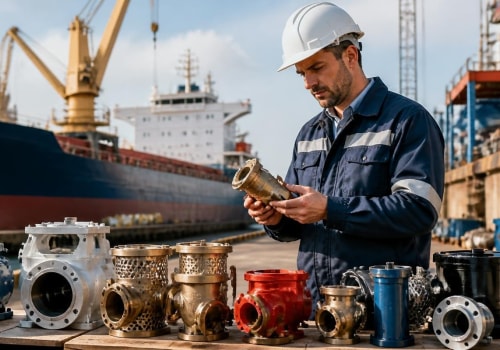
The maritime industry is a complex ecosystem where marine equipment supply plays a pivotal role in ensuring the smooth operation of various vessels. From commercial shipping giants to recreational boats, the compatibility of marine equipment with different types of vessels is crucial for safety, efficiency, and performance. As the demand for advanced technology and specialized equipment grows, suppliers must navigate a myriad of factors to guarantee that their products meet the diverse needs of the maritime sector. Understanding the intricacies of vessel compatibility is essential for suppliers. Each vessel type, whether it be cargo ships, tankers, or luxury yachts, has unique specifications and operational requirements.
This diversity necessitates a tailored approach to equipment design and supply. Suppliers invest in extensive research and development to create products that not only comply with industry standards but also enhance the functionality of various vessels. Moreover, collaboration between equipment manufacturers and vessel builders is vital in this process. By engaging in early-stage discussions and sharing insights on vessel design and intended use, suppliers can develop equipment that seamlessly integrates with the vessel's architecture. This proactive approach not only mitigates compatibility issues but also fosters innovation within the industry, leading to more efficient and reliable marine operations.
The Importance of Compatibility in Marine Equipment
In the marine industry, compatibility of equipment with various vessel types is not just a technical requirement; it is a critical factor that influences overall performance, safety, and operational efficiency.When suppliers focus on ensuring that their marine equipment is compatible with different vessels, they are essentially safeguarding the integrity of marine operations.
Why Compatibility Matters
- Performance Optimization: Each vessel type, whether it be a cargo ship, fishing boat, or luxury yacht, has unique specifications and operational demands. Equipment that is compatible with these specifications can enhance performance, ensuring that vessels operate at their best.
- Safety Assurance: Incompatible equipment can lead to malfunctions or failures, posing serious safety risks to crew and cargo. By prioritizing compatibility, suppliers help mitigate these risks, ensuring that all systems function harmoniously.
- Operational Efficiency: Compatibility reduces downtime and maintenance costs. When equipment is designed to work seamlessly with various vessel types, it minimizes the need for frequent repairs or replacements, leading to more efficient operations.
Factors Influencing Compatibility
- Technical Specifications: Suppliers must consider the technical requirements of different vessels, including size, weight capacity, and power needs.
- Regulatory Standards: Compliance with maritime regulations is essential.
Equipment must meet specific standards to ensure safety and environmental protection.
- Technological Advancements: As technology evolves, so do the requirements for marine equipment. Suppliers must stay updated on the latest innovations to ensure compatibility with modern vessels.
Types of Vessels and Their Unique Requirements
Understanding the types of vessels is crucial for suppliers in the marine equipment supply industry, as each vessel type has unique requirements that dictate the kind of equipment needed.Below are some common vessel types and their specific needs:
- Cargo Ships: These vessels are designed to transport goods and require robust equipment for loading and unloading. Essential marine equipment includes cranes, winches, and container securing systems. Additionally, cargo ships often need advanced navigation systems to ensure safe passage through busy shipping lanes.
- Fishing Boats: Fishing vessels have specialized needs based on the type of fishing they conduct. For instance, trawlers require heavy-duty nets and fish-finding sonar systems, while smaller boats may need basic gear like fishing rods and live wells.
Suppliers must ensure that the equipment can withstand harsh marine environments.
- Yachts: Luxury yachts prioritize comfort and aesthetics alongside functionality. Equipment such as high-end navigation systems, entertainment systems, and luxurious furnishings are essential. Suppliers must focus on compatibility with the yacht's design and ensure that all equipment meets safety regulations.
- Tugboats: These vessels assist in maneuvering larger ships in harbors or through narrow channels. They require powerful engines and towing equipment, including towlines and bollards.
The marine equipment must be durable to handle significant stress during operations.
Supplier Strategies for Ensuring Compatibility
In the competitive landscape of marine equipment supply, ensuring compatibility with various vessel types is paramount for suppliers. They employ a range of strategies to achieve this, focusing on design considerations, rigorous testing, and collaboration with vessel manufacturers.Design Considerations
One of the primary strategies involves meticulous design considerations. Suppliers often create equipment that adheres to industry standards and regulations, which vary by vessel type.This includes:
- Modular Design: Equipment is designed in a modular fashion, allowing for easy customization and integration with different vessels.
- Universal Mounting Systems: Implementing universal mounting systems ensures that equipment can be installed on a variety of vessel designs without extensive modifications.
- Material Selection: Choosing materials that are compatible with the marine environment and the specific operational conditions of different vessels enhances durability and performance.
Rigorous Testing
Testing is another critical component in ensuring compatibility. Suppliers conduct extensive testing protocols that include:- Prototype Testing: Before mass production, prototypes are tested on various vessel types to identify potential compatibility issues.
- Field Trials: Real-world field trials allow suppliers to observe how their equipment performs under actual operating conditions across different vessels.
- Feedback Loops: Gathering feedback from end-users helps suppliers refine their products and address any compatibility concerns that arise post-deployment.
Collaboration with Vessel Manufacturers
Lastly, collaboration with vessel manufacturers plays a crucial role in ensuring compatibility. By working closely with these manufacturers, suppliers can:- Understand Specifications: Gain insights into the specific requirements and constraints of different vessel designs.
- Joint Development Projects: Engage in joint development projects to create tailored solutions that meet the unique needs of specific vessels.
- Stay Updated on Trends: Keep abreast of emerging trends and technologies in vessel design that may impact equipment compatibility.
Regulatory Standards and Compliance in Marine Equipment Supply
In the realm of marine equipment supply, adherence to regulatory standards is paramount for ensuring that equipment is compatible with various types of vessels. These regulations are established by national and international bodies, including the International Maritime Organization (IMO) and the American Bureau of Shipping (ABS), which set forth guidelines that manufacturers must follow.Understanding Regulatory Standards
- Safety Regulations: Equipment must meet stringent safety standards to protect both crew and cargo.
This includes fire safety, stability, and structural integrity.
- Environmental Compliance: Regulations such as MARPOL (Marine Pollution) dictate how equipment should minimize environmental impact, particularly concerning emissions and waste management.
- Operational Standards: Equipment must be designed to function effectively under various operational conditions, which are often outlined in regulatory frameworks.
- Third-Party Testing: Independent organizations conduct tests to verify compliance with established standards.
- Documentation: Suppliers must maintain detailed records of compliance, including test results and certifications, which are crucial for audits and inspections.
- Continuous Monitoring: Regulations can evolve, necessitating ongoing assessments of equipment to ensure continued compliance.
Technological Innovations in Marine Equipment Compatibility
In the ever-evolving landscape of marine equipment supply, technological innovations play a crucial role in ensuring compatibility between various types of vessels and their equipment.Recent advancements have focused on creating solutions that not only enhance performance but also streamline integration across different platforms.
Smart Technologies
- IoT Integration: The Internet of Things (IoT) has revolutionized marine equipment by enabling real-time data exchange between devices. This connectivity allows for better monitoring and management of equipment, ensuring that it operates efficiently across different vessel types.
- Adaptive Systems: Many modern marine systems are designed to adapt to varying operational conditions. These systems can automatically adjust settings based on the specific requirements of the vessel, enhancing compatibility and performance.
Modular Designs
- Interchangeable Components: Modular designs allow for components to be easily swapped or upgraded without requiring extensive modifications to the vessel. This flexibility is particularly beneficial for shipbuilders and operators who need to customize their fleets.
- Standardization: The push for standardized components across the industry has led to greater compatibility.
Suppliers are increasingly adopting universal designs that can fit a wide range of vessels, reducing the complexity of marine equipment supply.
Case Studies: Successful Compatibility Solutions in Action
In the competitive landscape of marine equipment supply, ensuring compatibility with various vessel types is crucial for suppliers. Here are some notable case studies that illustrate successful solutions implemented by industry leaders.Case Study 1: XYZ Marine Solutions
XYZ Marine Solutions faced a challenge when their new line of propulsion systems needed to be compatible with both commercial and recreational vessels.To address this, they conducted extensive field tests across different vessel types, gathering data on performance metrics. By collaborating with vessel manufacturers, they developed adjustable mounting systems that allowed for easy integration into various hull designs. This adaptability not only enhanced their product's appeal but also increased sales by 30% within the first year.
Case Study 2: Oceanic Equipment Co.
Oceanic Equipment Co. specializes in navigation systems and encountered compatibility issues with older vessels.They initiated a project to create a universal interface that could connect their modern navigation technology with legacy systems. By investing in R&D, they designed an innovative adapter that allowed seamless communication between new and old technologies. This solution not only satisfied existing customers but also attracted new clients looking to upgrade their fleets without complete overhauls.
Case Study 3: Nautical Innovations
Nautical Innovations developed a line of safety equipment intended for use across various vessel types, from fishing boats to luxury yachts. They recognized the need for customizable safety gear that could meet different regulatory standards.By engaging with maritime safety authorities and vessel operators, they created modular safety kits that could be tailored to specific vessel requirements. This approach not only ensured compliance but also positioned them as a leader in the marine equipment supply sector.These case studies highlight the importance of innovation, collaboration, and customer feedback in ensuring compatibility between marine equipment and diverse vessel types. By adopting such strategies, suppliers can enhance their product offerings and maintain a competitive edge in the market.
Frequently Asked Questions about Marine Equipment Compatibility
When it comes to marine equipment supply, compatibility is a crucial factor that both suppliers and vessel operators must consider. Here are some frequently asked questions regarding the compatibility of marine equipment with various types of vessels:What factors influence the compatibility of marine equipment?
Several factors can affect the compatibility of marine equipment, including:- Vessel Type: Different vessels, such as cargo ships, fishing boats, and yachts, have unique specifications that may require specialized equipment.
- Size and Weight: The dimensions and weight capacity of the vessel must align with the equipment to ensure safe operation.
- Power Requirements: Equipment must match the vessel's power supply, including voltage and amperage specifications.
- Environmental Conditions: Equipment should be designed to withstand specific marine environments, such as saltwater exposure or extreme temperatures.
How do suppliers verify compatibility?
Suppliers typically employ several methods to ensure that their marine equipment is compatible with different vessels:- Technical Specifications: Suppliers provide detailed technical specifications for each piece of equipment, allowing vessel operators to assess compatibility.
- Consultation Services: Many suppliers offer consultation services where experts can help determine the best equipment for a specific vessel type.
- Testing and Certification: Some suppliers conduct rigorous testing and obtain certifications to validate that their equipment meets industry standards for various vessel types.
What should I ask my supplier about compatibility?
When inquiring about marine equipment, consider asking your supplier the following questions:- What types of vessels is this equipment compatible with?
- Can you provide documentation or certifications regarding compatibility?
- Are there any specific installation requirements I should be aware of?
Conclusion: The Future of Marine Equipment Supply and Compatibility
As we look towards the future of marine equipment supply, it is clear that the industry is on the brink of significant transformation.The increasing complexity of vessels and the diverse requirements of different marine operations necessitate a more integrated approach to equipment compatibility. One of the key trends shaping this future is the advancement of technology. Innovations such as smart sensors and IoT connectivity are enabling suppliers to create equipment that not only meets current standards but also adapts to various vessel types. This adaptability is crucial as it allows for real-time data exchange, enhancing operational efficiency and safety. Moreover, sustainability is becoming a driving force in marine equipment supply. Suppliers are increasingly focusing on eco-friendly materials and energy-efficient technologies.
This shift not only aligns with global environmental goals but also ensures that equipment can be used across a wider range of vessels, including those designed with sustainability in mind. Collaboration between manufacturers, shipbuilders, and regulatory bodies will also play a pivotal role in ensuring compatibility. By working together, these stakeholders can establish standardized protocols that facilitate seamless integration of new technologies into existing vessels. In conclusion, the future of marine equipment supply hinges on innovation, sustainability, and collaboration. As suppliers continue to evolve their offerings to meet the diverse needs of the maritime industry, we can expect a more compatible and efficient marine environment that benefits all stakeholders involved.