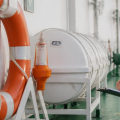
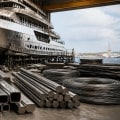
The maritime industry relies heavily on marine equipment supply to ensure safe and efficient operations at sea. From navigation systems to propulsion machinery, the quality and reliability of this equipment are paramount. Suppliers play a crucial role in providing not just the necessary tools and machinery, but also in ensuring that these products meet stringent industry standards. This commitment to quality is essential for maintaining the safety of vessels and their crews, as well as for protecting the marine environment. Understanding the intricacies of marine equipment reliability is vital for stakeholders in the maritime sector.
Reliability refers to the ability of equipment to perform its intended function under specified conditions for a designated period. Suppliers achieve this through rigorous testing, adherence to international standards, and continuous innovation. By investing in research and development, they can enhance the durability of their products, ensuring that they withstand harsh marine conditions such as saltwater corrosion, extreme temperatures, and heavy impacts. Moreover, marine equipment durability is not just about the materials used; it also encompasses design and engineering practices that prioritize longevity. Suppliers often collaborate with manufacturers to create equipment that not only meets current demands but is also adaptable for future advancements.
This proactive approach helps mitigate risks associated with equipment failure, ultimately leading to more reliable maritime operations.
Key Factors Influencing Reliability in Marine Equipment
Ensuring the reliability of marine equipment is a multifaceted challenge that involves several critical factors. Each of these factors plays a significant role in determining the overall performance and longevity of the equipment used in marine environments.Material Quality
The choice of materials is paramount in the production of marine equipment. Equipment must be constructed from high-quality, corrosion-resistant materials that can withstand harsh marine conditions. For instance, stainless steel and specialized alloys are often preferred for their durability and resistance to saltwater corrosion.Additionally, the use of advanced composites can enhance strength while reducing weight, further contributing to reliability.
Manufacturing Processes
The manufacturing process itself is another crucial factor influencing reliability. Precision engineering and strict quality control measures during production ensure that each component meets stringent specifications. Techniques such as computer numerical control (CNC) machining and automated assembly lines help maintain consistency and reduce human error, which can lead to defects.Adherence to Industry Standards
Compliance with established marine equipment quality standards, such as those set by the International Organization for Standardization (ISO) and the American Bureau of Shipping (ABS), is essential. These standards provide guidelines for design, testing, and performance, ensuring that equipment can perform reliably under expected conditions.Suppliers who prioritize adherence to these standards demonstrate a commitment to quality and safety.
Regular Testing and Maintenance
Finally, regular testing and maintenance are vital for ensuring ongoing reliability. Suppliers often implement rigorous testing protocols, including stress tests and environmental simulations, to evaluate how equipment performs under various conditions. Furthermore, providing customers with clear maintenance guidelines helps extend the lifespan of marine equipment, ensuring it remains reliable throughout its operational life.In summary, the reliability of marine equipment supply hinges on material quality, manufacturing processes, adherence to industry standards, and ongoing maintenance practices. By focusing on these key factors, suppliers can deliver equipment that meets the demanding needs of marine applications.Durability Testing Methods for Marine Equipment
Ensuring the durability of marine equipment is crucial for suppliers, as it directly impacts safety and performance in challenging marine environments.Various testing methods are employed to assess the resilience and longevity of these products.
Stress Tests
One of the primary methods used is stress testing, which involves subjecting marine equipment to extreme conditions that exceed normal operational limits. This can include:- Load Testing: Applying weights or forces to simulate real-world usage.
- Impact Testing: Assessing how equipment withstands sudden shocks or impacts.
- Fatigue Testing: Repeatedly cycling equipment through its operational range to identify potential failure points.
Environmental Simulations
Another critical aspect of durability testing is environmental simulations. Marine equipment must endure harsh conditions such as saltwater exposure, UV radiation, and temperature fluctuations. Suppliers often utilize:- Salt Spray Tests: To evaluate corrosion resistance in saline environments.
- Temperature Cycling: Subjecting equipment to extreme heat and cold to assess material integrity.
- Humidity Tests: To determine how moisture affects performance and longevity.
Longevity Assessments
The final component of durability testing involves longevity assessments, which predict how long marine equipment will perform effectively under normal conditions.This can include:
- Aging Tests: Simulating long-term use to identify wear and tear over time.
- Performance Monitoring: Tracking equipment functionality during extended periods to gather data on reliability.
Supplier Quality Assurance Practices
Ensuring the reliability and durability of marine equipment is a critical responsibility for suppliers in the marine equipment supply industry. To achieve this, suppliers implement a variety of quality assurance practices that encompass rigorous inspections, testing, and adherence to industry standards.Quality Control Measures
- Incoming Material Inspection: Suppliers conduct thorough inspections of raw materials before they enter the production process. This step ensures that only high-quality materials are used, which is essential for the longevity of marine equipment.
- In-Process Quality Checks: During manufacturing, suppliers perform regular quality checks at various stages. This proactive approach helps identify and rectify any issues early in the production cycle, minimizing defects.
- Final Product Testing: Once the equipment is assembled, it undergoes comprehensive testing to evaluate its performance under simulated marine conditions.
This includes stress tests, corrosion resistance tests, and functionality assessments.
Certifications and Standards
Many suppliers seek certifications from recognized organizations to validate their quality assurance processes. These certifications often require adherence to strict guidelines that govern manufacturing practices and product performance. Common certifications in the marine industry include:
- ISO 9001: This certification indicates that a supplier has established a quality management system that meets international standards.
- ABS (American Bureau of Shipping) Certification: This certification ensures that marine equipment meets safety and performance standards set by the maritime industry.
- Lloyd's Register Certification: Recognized globally, this certification signifies compliance with high-quality standards in marine equipment manufacturing.
The Role of Technology in Enhancing Equipment Reliability
In the ever-evolving landscape of marine equipment supply, technology plays a pivotal role in enhancing the reliability and durability of marine equipment.Suppliers are increasingly leveraging advanced technologies to ensure that their products meet the rigorous demands of maritime operations.
Integration of IoT for Real-Time Monitoring
The Internet of Things (IoT) has revolutionized how marine equipment is monitored and maintained. By integrating IoT sensors into equipment, suppliers can collect real-time data on performance metrics such as temperature, pressure, and vibration. This data allows for:- Proactive Maintenance: Suppliers can identify potential issues before they escalate into major failures, reducing downtime and repair costs.
- Enhanced Performance Tracking: Continuous monitoring helps in assessing the operational efficiency of equipment, enabling timely adjustments to optimize performance.
Predictive Maintenance Techniques
Another significant advancement is the use of predictive maintenance techniques. By analyzing historical data and employing machine learning algorithms, suppliers can predict when equipment is likely to fail.This approach offers several advantages:
- Cost Efficiency: By scheduling maintenance only when necessary, companies can save on unnecessary service costs.
- Increased Equipment Lifespan: Regularly scheduled maintenance based on predictive analytics ensures that equipment remains in optimal condition for longer periods.
Case Studies: Successful Marine Equipment Suppliers
In the competitive landscape of the marine industry, several suppliers have distinguished themselves by implementing innovative strategies to ensure the reliability and durability of their marine equipment. Here are a few notable case studies that illustrate their success:Case Study 1: OceanTech Marine Supplies
OceanTech has built a reputation for its rigorous testing protocols.They utilize advanced simulation technologies to replicate harsh marine environments, allowing them to assess the performance of their equipment under extreme conditions. This proactive approach not only enhances product reliability but also instills confidence in their clients. As a result, OceanTech has seen a 30% reduction in warranty claims over the past five years.
Case Study 2: AquaGear Solutions
AquaGear Solutions focuses on sustainable materials and manufacturing processes. By sourcing high-quality, corrosion-resistant materials, they ensure that their products withstand the test of time in saltwater environments.Their commitment to sustainability has not only improved product durability but has also attracted environmentally conscious clients, leading to a 25% increase in market share.
Case Study 3: MarinePro Equipment
MarinePro Equipment employs a comprehensive quality assurance program that includes third-party inspections and certifications. This rigorous oversight guarantees that every piece of equipment meets or exceeds industry standards. Their dedication to quality has earned them long-term contracts with major shipping companies, further solidifying their position as a trusted marine equipment supplier.These case studies highlight how successful suppliers in the marine industry leverage technology, sustainable practices, and stringent quality controls to enhance the reliability and durability of their products. By adopting similar strategies, other suppliers can improve their offerings and gain a competitive edge in the market.Frequently Asked Questions about Marine Equipment Supply
When it comes to marine equipment supply, many customers have questions regarding the reliability and durability of the products they are purchasing.Here are some frequently asked questions that can help clarify these concerns:
- What materials are commonly used in marine equipment?
Marine equipment is often made from materials that resist corrosion and wear, such as stainless steel, aluminum, and high-density polyethylene (HDPE). These materials are chosen for their ability to withstand harsh marine environments. - How do suppliers test the durability of their products?
Suppliers typically conduct rigorous testing, including stress tests, environmental simulations, and long-term performance evaluations. This ensures that the equipment can endure the conditions it will face at sea. - What certifications should I look for in marine equipment?
Look for products that have certifications from recognized organizations such as the American Bureau of Shipping (ABS) or Lloyd's Register. These certifications indicate that the equipment meets specific safety and performance standards. - How can I ensure I am purchasing reliable marine equipment?
Research suppliers thoroughly.Check customer reviews, ask for references, and inquire about warranties and after-sales support. A reputable supplier will be transparent about their quality assurance processes.
- What role does maintenance play in the durability of marine equipment?
Regular maintenance is crucial for extending the lifespan of marine equipment. Following manufacturer guidelines for upkeep can prevent premature wear and ensure optimal performance.
Conclusion: The Future of Marine Equipment Reliability and Durability
In conclusion, the marine equipment supply industry is at a pivotal point where reliability and durability are more crucial than ever.As we have explored, suppliers are increasingly adopting advanced technologies and stringent quality control measures to ensure that their products meet the demanding standards of marine operations.Looking ahead, several trends are likely to shape the future of marine equipment reliability:
- Integration of Smart Technologies: The rise of IoT (Internet of Things) in marine equipment will enable real-time monitoring and predictive maintenance, allowing suppliers to address potential issues before they escalate.
- Sustainability Practices: As environmental concerns grow, suppliers are focusing on sustainable materials and manufacturing processes that not only enhance durability but also reduce the ecological footprint of marine operations.
- Enhanced Testing Protocols: Future suppliers will likely implement more rigorous testing protocols that simulate extreme marine conditions, ensuring that equipment can withstand the harshest environments.
- Collaboration with End-Users: By working closely with ship operators and other end-users, suppliers can gain valuable insights into real-world challenges, leading to innovations that improve both reliability and durability.