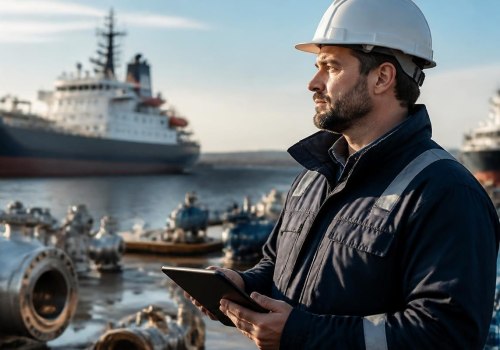
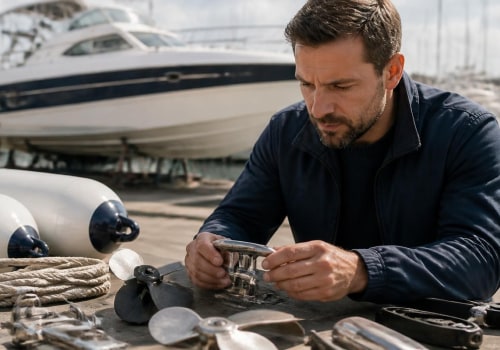
In the world of marine operations, marine equipment supply plays a crucial role in ensuring not only efficiency but also safety. The selection of reliable marine suppliers is paramount, as the equipment used on vessels must meet stringent safety standards and regulations. From navigation systems to safety gear, the quality and reliability of marine equipment can significantly impact the safety of crew members and the integrity of the vessel itself. When considering marine equipment supply, it is essential to understand that safety is not merely a checkbox on a compliance list; it is a fundamental aspect that influences operational success. Equipment failures can lead to catastrophic incidents, making it vital for operators to partner with suppliers who prioritize quality and adhere to industry standards.
This means looking for suppliers who provide detailed documentation, certifications, and a proven track record in the marine industry. Moreover, the landscape of marine operations is constantly evolving, with new technologies and regulations emerging regularly. Therefore, selecting a supplier who stays updated with these changes can enhance safety measures and ensure compliance with the latest standards. By focusing on these critical aspects when choosing marine equipment suppliers, operators can foster a safer working environment and mitigate risks associated with marine operations.
Regulatory Compliance and Certifications
When selecting a marine equipment supplier, understanding the landscape of regulatory compliance and certifications is crucial for ensuring safety and reliability. The marine industry is governed by a myriad of regulations that vary by region and type of equipment.These regulations are designed to protect not only the users of the equipment but also the marine environment.
Key Regulations in Marine Equipment
- International Maritime Organization (IMO): This UN agency sets global standards for the safety, security, and environmental performance of international shipping.
- American Bureau of Shipping (ABS): ABS provides services to marine and offshore industries, including certification and classification of vessels and marine equipment.
- U.S. Coast Guard (USCG): The USCG enforces regulations that ensure the safety of vessels operating in U.S. waters, including equipment standards.
- ISO 9001: This certification indicates that a supplier has a quality management system in place, ensuring consistent quality in products and services.
- ISO 14001: This certification focuses on effective environmental management systems, which is increasingly important in the marine industry.
- CE Marking: Required for products sold within the European Economic Area, CE marking indicates compliance with health, safety, and environmental protection standards.
They serve as a benchmark for safety and reliability, providing assurance that the equipment meets stringent industry standards. When evaluating potential suppliers, it is essential to verify their compliance with these regulations and their possession of relevant certifications. This diligence not only enhances safety but also mitigates risks associated with equipment failure or non-compliance.
Quality Assurance Processes
When selecting a marine equipment supply company, understanding their quality assurance processes is crucial for ensuring the safety and reliability of the products you intend to use. Reputable suppliers implement rigorous quality checks at various stages of the manufacturing process to guarantee that their equipment meets industry standards and regulations.Supplier Quality Checks
One of the first steps in a robust quality assurance process is conducting thorough supplier quality checks.This involves evaluating the suppliers' manufacturing capabilities, materials used, and adherence to safety standards. A reliable supplier will often provide documentation that demonstrates compliance with relevant certifications, such as ISO 9001 or other industry-specific standards.
Safety Testing Procedures
In addition to initial supplier evaluations, ongoing safety testing is essential. This may include:- Material Testing: Ensuring that materials used in marine equipment can withstand harsh marine environments.
- Performance Testing: Assessing how equipment performs under various conditions, including extreme weather and operational stress.
- Compliance Testing: Verifying that products meet local and international safety regulations.
This independent verification adds an extra layer of trust, ensuring that the equipment supplied is not only safe but also reliable for marine applications.In conclusion, when evaluating marine equipment supply companies, prioritize those with established quality assurance processes. By doing so, you can ensure that the equipment you select meets the highest safety standards, ultimately protecting both personnel and assets in marine operations.
Supplier Reputation and Track Record
When it comes to selecting a marine equipment supply company, the reputation and track record of the supplier are critical factors that can significantly impact safety and reliability. A supplier's history in the industry often reflects their commitment to quality and adherence to safety standards.Understanding Supplier Reputation
- Industry Recognition: Look for suppliers that have received awards or certifications from recognized marine industry organizations. This can be a strong indicator of their credibility and commitment to excellence.
- Customer Reviews: Analyzing customer feedback is essential.
Positive reviews can provide insights into the supplier's reliability, product quality, and customer service. Pay attention to any recurring themes in reviews, especially those related to safety and compliance.
- Longevity in the Market: Suppliers with a long-standing presence in the marine equipment industry often have established relationships with manufacturers and a deeper understanding of safety regulations. Their experience can be invaluable when it comes to sourcing high-quality equipment.
The Importance of a Proven Track Record
A proven track record is not just about how long a supplier has been in business; it also encompasses their history of delivering safe and reliable products. Consider the following:
- Product Recalls: Investigate whether the supplier has had any product recalls or safety incidents in the past.
A history of recalls may indicate potential issues with quality control.
- Client Portfolio: Review the types of clients that the supplier serves. If they have worked with reputable companies or government agencies, it may suggest a higher level of trustworthiness.
- Compliance with Regulations: Ensure that the supplier adheres to relevant safety regulations and standards. This compliance is crucial for ensuring that the equipment meets necessary safety requirements.
Product Warranties and Support Services
When selecting a marine equipment supply company, understanding the importance of product warranties and support services is crucial for ensuring safety and reliability in marine operations.A robust warranty not only protects your investment but also serves as a testament to the supplier's confidence in their products.
Product Warranties
- Coverage Duration: Look for warranties that offer extended coverage periods. A longer warranty often indicates that the supplier stands behind their products, which can be vital in high-stakes marine environments.
- Scope of Coverage: Ensure that the warranty covers critical components and potential defects. This can include everything from manufacturing flaws to performance issues that could compromise safety.
- Transferability: In some cases, you may sell or transfer your equipment. A transferable warranty can enhance the resale value and provide peace of mind to future owners.
Supplier Support Services
- After-Sales Support: Reliable after-sales support is essential for addressing any issues that arise post-purchase.
Suppliers should offer accessible customer service channels, including phone support, email, and live chat options.
- Technical Assistance: In marine operations, technical problems can lead to significant safety risks. Suppliers should provide comprehensive technical support to help troubleshoot and resolve issues quickly.
- Training Programs: Some suppliers offer training programs for their equipment. Proper training ensures that your team understands how to operate and maintain the equipment safely, reducing the risk of accidents.
Safety Features and Innovations in Marine Equipment
When selecting a marine equipment supply provider, understanding the latest safety features and technological innovations is crucial for ensuring operational safety.The marine industry has seen significant advancements that not only enhance performance but also prioritize the safety of personnel and equipment.
Advanced Navigation Systems
- GPS Technology: Modern marine equipment often incorporates advanced GPS systems that provide real-time tracking and navigation, reducing the risk of accidents caused by human error.
- Collision Avoidance Systems: These systems use radar and sonar technology to detect potential obstacles, allowing vessels to navigate safely in crowded waters.
Safety Equipment Innovations
- Life-Saving Appliances: Innovations in life jackets and lifeboats, such as automatic inflation and enhanced buoyancy materials, ensure that crew members are better protected in emergencies.
- Fire Suppression Systems: Advanced fire detection and suppression technologies are now integrated into marine equipment, providing immediate response capabilities to prevent catastrophic incidents.
Material and Design Enhancements
- Corrosion-Resistant Materials: The use of high-grade alloys and coatings helps to extend the lifespan of marine equipment while reducing maintenance costs and enhancing safety.
- Aerodynamic Designs: Improved hull designs not only enhance fuel efficiency but also contribute to stability, reducing the likelihood of capsizing in rough waters.
Training and Simulation Technologies
- Virtual Reality (VR) Training: Many suppliers now offer VR training programs that simulate emergency scenarios, allowing crew members to practice their responses in a safe environment.
- Real-Time Monitoring Systems: These systems provide continuous data on equipment performance, alerting operators to potential issues before they escalate into serious problems.
Evaluating Supplier Communication and Responsiveness
When selecting marine equipment suppliers, the importance of effective communication and responsiveness cannot be overstated. These factors play a crucial role in ensuring safe operations and informed decision-making. A supplier that prioritizes clear communication can significantly enhance the overall safety of marine operations.Understanding Supplier Communication
- Clarity: Suppliers should provide clear and concise information regarding their products, including specifications, safety features, and compliance with industry standards.
- Availability: A responsive supplier is readily available to address inquiries, provide updates, and offer support when needed.
This availability can be critical during emergencies or when urgent decisions must be made.
- Proactive Engagement: Suppliers who engage proactively with their clients can anticipate needs and potential issues, allowing for timely solutions that enhance safety.
The Role of Responsiveness in Marine Supply
- Timely Responses: Quick responses to questions or concerns can prevent misunderstandings that may lead to unsafe practices or equipment failures.
- Feedback Mechanisms: Suppliers should have systems in place to gather feedback from customers. This feedback loop can help identify areas for improvement and ensure that safety standards are consistently met.
- Adaptability: A responsive supplier can adapt to changing regulations or customer needs, ensuring that the equipment supplied remains compliant and safe for use.
Customer Service Standards
High customer service standards are indicative of a supplier's commitment to safety. Suppliers who invest in training their staff to handle inquiries effectively demonstrate a dedication to not only selling products but also ensuring that their clients understand how to use them safely. This includes providing comprehensive training sessions, detailed manuals, and ongoing support.In conclusion, evaluating supplier communication and responsiveness is essential when selecting marine equipment suppliers.
These elements contribute significantly to safer operations and better decision-making, ultimately leading to enhanced safety in marine environments.
Frequently Asked Questions about Marine Equipment Supply Safety
When it comes to marine equipment supply, safety is paramount. Here are some frequently asked questions that can help clarify important safety considerations when selecting suppliers.What certifications should I look for in marine equipment suppliers?
It is essential to choose suppliers that hold relevant certifications, such as ISO 9001 for quality management systems or specific marine industry standards like ABS (American Bureau of Shipping) or DNV GL (Det Norske Veritas Germanischer Lloyd). These certifications indicate that the supplier adheres to strict safety and quality protocols.How can I verify the quality of the marine equipment?
To ensure the quality of marine equipment, request documentation such as test reports, compliance certificates, and user manuals. Additionally, consider suppliers who offer warranties or guarantees on their products, as this reflects their confidence in the equipment's safety and reliability.What should I know about supplier reputation?
Researching a supplier's reputation is crucial.Look for reviews and testimonials from other customers, and check industry forums or social media for feedback. A supplier with a strong track record in safety and customer service is more likely to provide reliable equipment.
Are there specific safety features I should look for?
- Durability: Equipment should be made from high-quality materials that can withstand harsh marine environments.
- Safety ratings: Look for products that have been tested and rated for safety by recognized organizations.
- User-friendly design: Equipment should be easy to operate, reducing the risk of accidents during use.
What are common red flags when selecting a supplier?
- Lack of transparency regarding product specifications or safety standards.
- No clear return policy or warranty information.
- Poor communication or unresponsive customer service.
Conclusion: Making Informed Choices for Safety in Marine Equipment Supply
In conclusion, selecting the right marine equipment supply provider is crucial for ensuring safety and reliability in maritime operations. Throughout this article, we have explored several key considerations that should guide your decision-making process. First and foremost, it is essential to assess the supplier's reputation. A well-established supplier with positive reviews and a history of compliance with safety standards is more likely to provide high-quality equipment.Additionally, verifying certifications and industry affiliations can further assure you of their commitment to safety. Another critical factor is the quality of the equipment itself. Always prioritize suppliers who offer products that meet or exceed industry standards. This not only enhances safety but also reduces the risk of equipment failure during critical operations. Furthermore, consider the availability of support and service. A reliable supplier should provide comprehensive after-sales support, including maintenance services and readily available spare parts.
This ensures that any issues can be promptly addressed, minimizing downtime and enhancing safety. Lastly, don’t overlook the importance of cost-effectiveness. While it may be tempting to choose the cheapest option, investing in quality equipment from reputable suppliers can save you money in the long run by reducing accidents and equipment failures. By carefully evaluating these factors—reputation, quality, support, and cost—you can make informed choices that prioritize safety in your marine operations. Remember, the right marine equipment supply partner not only enhances operational efficiency but also safeguards lives at sea.