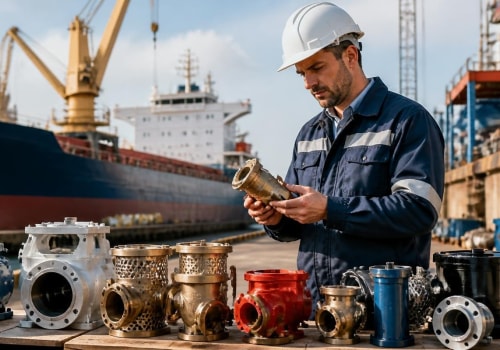
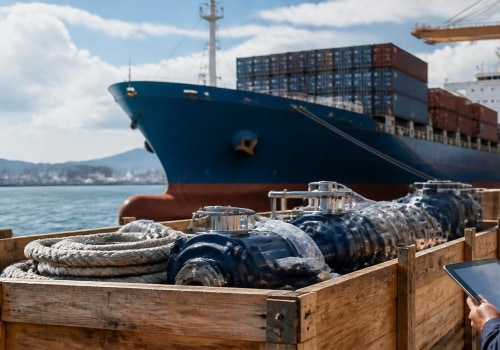
The maritime industry is a complex and multifaceted sector that relies heavily on marine equipment supply to ensure the safe and efficient operation of various types of vessels. From commercial shipping freighters to luxury yachts, each vessel has unique requirements that necessitate specialized equipment. Understanding the nuances of marine equipment suppliers is crucial for vessel owners and operators who seek to optimize performance and compliance with industry standards. Marine equipment encompasses a wide range of products, including navigation systems, safety gear, propulsion machinery, and maintenance tools. Each category serves a specific purpose and is tailored to meet the demands of different vessel types.
For instance, fishing boats require specialized nets and sonar systems, while cargo ships depend on robust loading equipment and advanced communication technologies. This diversity in types of marine equipment highlights the importance of sourcing from suppliers who understand the specific needs of each vessel type. As the maritime landscape evolves with advancements in technology and increasing regulatory requirements, the role of specialized marine equipment suppliers becomes even more significant. These suppliers not only provide essential products but also offer expertise in selecting the right equipment for particular applications. By partnering with knowledgeable suppliers, vessel operators can enhance operational efficiency, ensure safety compliance, and ultimately contribute to the sustainability of maritime operations.
Types of Vessels and Their Unique Equipment Needs
Understanding the diverse types of vessels is crucial for identifying their unique marine equipment supply needs.Each category of vessel has specific operational requirements that dictate the type of equipment necessary for optimal performance and safety.
Commercial Vessels
Commercial vessels, such as cargo ships and tankers, require robust and specialized equipment to handle heavy loads and ensure safe navigation. Key equipment includes:- Navigation Systems: Advanced GPS and radar systems are essential for safe passage.
- Cargo Handling Equipment: Cranes, winches, and conveyors are vital for loading and unloading goods.
- Safety Gear: Lifeboats, fire suppression systems, and emergency beacons are mandatory for crew safety.
Recreational Vessels
Recreational vessels, including yachts and fishing boats, have different needs focused on comfort and leisure. Essential equipment includes:- Comfort Features: High-quality seating, entertainment systems, and galley appliances enhance the onboard experience.
- Navigational Aids: Fish finders and chart plotters are popular among fishing enthusiasts.
- Safety Equipment: Personal flotation devices (PFDs) and first aid kits are crucial for recreational boating safety.
Military Vessels
Military vessels, such as submarines and aircraft carriers, demand highly specialized equipment due to their unique operational environments. Key components include:- Stealth Technology: Equipment designed to minimize detection by enemy radar.
- Weapon Systems: Advanced missile systems and defense mechanisms are critical for national security.
- Communication Systems: Secure communication devices ensure operational integrity during missions.
Specialized suppliers cater to these distinct needs, providing tailored solutions that enhance functionality and safety across different marine applications.
Specialized Marine Equipment Suppliers by Vessel Type
When it comes to marine equipment supply, different types of vessels have unique requirements that necessitate specialized suppliers. Understanding these distinctions can help vessel operators find the right equipment tailored to their specific needs.Commercial Fishing Vessels
For commercial fishing vessels, suppliers like Fisheries Supply offer a range of products specifically designed for the fishing industry. This includes everything from fishing gear and nets to refrigeration systems and safety equipment. Their expertise ensures that fishermen have access to durable and efficient tools that enhance productivity.Yachts and Recreational Boats
Yacht owners often turn to specialized suppliers such as West Marine, which provides high-quality equipment tailored for leisure boating.This includes navigation systems, interior furnishings, and water sports gear. Their extensive catalog caters to the aesthetic and functional needs of recreational boaters, ensuring a luxurious experience on the water.
Cargo Ships and Tankers
Cargo ships and tankers require robust equipment to handle heavy loads and ensure safety at sea. Suppliers like Marine Supply Company focus on providing heavy-duty machinery, cargo handling systems, and safety gear. Their products are designed to withstand harsh marine environments, ensuring reliability during long voyages.Research Vessels
For research vessels, specialized suppliers such as Ocean Equipment provide advanced scientific instruments and sampling gear.This includes sonar systems, oceanographic sensors, and laboratory equipment that enable researchers to conduct thorough studies of marine ecosystems.In conclusion, selecting the right marine supply companies based on vessel type is crucial for ensuring operational efficiency and safety. By partnering with specialized suppliers, vessel operators can access tailored solutions that meet their unique challenges.
Key Considerations When Choosing a Marine Equipment Supplier
When selecting a marine equipment supplier, there are several key factors to consider to ensure that you make the best choice for your specific needs. Understanding these factors can help you avoid potential pitfalls and ensure that your vessel is equipped with reliable and high-quality products.- Supplier Reliability: One of the most critical aspects to evaluate is the reliability of the supplier. Look for suppliers with a proven track record in the industry.
Check customer reviews, testimonials, and case studies to gauge their reputation. A reliable supplier will not only provide quality products but also timely delivery and support.
- Product Range: Different vessels require different types of equipment. Ensure that the supplier offers a comprehensive range of marine equipment tailored to your specific vessel type, whether it’s commercial, recreational, or specialized. A diverse product range indicates that the supplier understands the unique needs of various marine applications.
- Customer Service: Excellent customer service is essential when dealing with marine equipment suppliers.
You want a supplier who is responsive and willing to assist you with any inquiries or issues that may arise. Consider how easy it is to reach their support team and whether they offer technical assistance when needed.
- Pricing and Value: While cost should not be the sole determining factor, it is important to compare prices among different suppliers. Look for a balance between quality and affordability. Sometimes, opting for the cheapest option can lead to higher long-term costs due to inferior products.
- Compliance and Certifications: Ensure that the supplier adheres to industry standards and regulations.
This includes having necessary certifications for their products, which can be crucial for safety and performance on the water.
Emerging Trends in Marine Equipment Supply
The marine equipment supply industry is undergoing significant transformation, driven by emerging trends that prioritize sustainability and technological innovation. As environmental concerns grow, suppliers are increasingly focusing on eco-friendly products and practices. This shift not only meets regulatory requirements but also appeals to a market that values sustainability.One of the most notable trends is the rise of innovative marine equipment designed to enhance efficiency and reduce environmental impact. For instance, manufacturers are developing advanced propulsion systems that utilize alternative fuels, such as hydrogen and biofuels, which significantly lower emissions compared to traditional diesel engines.Additionally, the integration of solar panels and wind turbines into vessel designs is becoming more common, allowing for hybrid energy solutions that can power onboard systems without relying solely on fossil fuels.Another key trend is the adoption of smart technology in marine equipment supply. The Internet of Things (IoT) is revolutionizing how vessels operate, with sensors and connected devices providing real-time data on performance and maintenance needs. This technology not only enhances operational efficiency but also extends the lifespan of equipment by enabling predictive maintenance.Furthermore, the future of marine suppliers is likely to be shaped by collaborative partnerships. As the industry evolves, suppliers are forming alliances with technology firms to develop cutting-edge solutions tailored to specific vessel types.
These collaborations can lead to customized equipment that meets the unique demands of various marine applications, from commercial shipping to recreational boating.In conclusion, the marine equipment supply sector is at a pivotal point where sustainability and innovation are not just trends but necessities. As suppliers adapt to these changes, they will play a crucial role in shaping a more efficient and environmentally friendly maritime industry.
Frequently Asked Questions About Marine Equipment Supply
When it comes to marine equipment supply, many vessel owners and operators have specific questions regarding the types of equipment available and the suppliers that cater to their needs. Below are some frequently asked questions that can help clarify these concerns.- What types of marine equipment are available?
Marine equipment encompasses a wide range of products, including navigation systems, safety gear, propulsion systems, and maintenance tools. Specialized suppliers often focus on particular categories, such as commercial fishing gear or luxury yacht accessories. - Are there suppliers that specialize in equipment for specific vessel types?
Yes, there are numerous suppliers that cater to specific vessel types.For instance, some companies specialize in equipment for fishing vessels, while others focus on yachts, cargo ships, or military vessels. These specialized suppliers understand the unique requirements and regulations associated with each vessel type.
- How do I choose the right marine equipment supplier?
When selecting a supplier, consider their experience in the industry, customer reviews, and the range of products they offer. It's also beneficial to check if they provide after-sales support and warranty options for their equipment. - What should I look for in terms of quality?
Quality is paramount in marine equipment. Look for suppliers that offer products certified by recognized marine standards.Additionally, inquire about the materials used and whether they provide any guarantees on durability and performance.
- Can I find used marine equipment?
Yes, many suppliers offer both new and used marine equipment. Purchasing used items can be a cost-effective solution, but ensure you thoroughly inspect the equipment and verify its condition before making a purchase.
Conclusion: The Importance of Specialized Suppliers in the Marine Industry
In conclusion, the role of specialized marine equipment suppliers cannot be overstated in the context of the marine industry. As we have explored throughout this article, different types of vessels require distinct equipment tailored to their specific operational needs. Whether it’s commercial fishing boats, luxury yachts, or cargo ships, each vessel type has unique requirements that general suppliers may not adequately meet.Importance of Specialized Suppliers
- Expertise: Specialized suppliers possess in-depth knowledge about the equipment they provide, ensuring that vessel operators receive products that are not only high-quality but also suitable for their specific applications.
- Customization: Many specialized suppliers offer customized solutions that cater to the unique demands of different vessels, enhancing performance and safety.
- Regulatory Compliance: Suppliers familiar with specific vessel types are more likely to understand and comply with industry regulations, helping operators avoid costly fines and ensuring safe operations.
The right equipment not only enhances operational capabilities but also contributes to overall safety and compliance with maritime laws.In essence, investing in specialized marine equipment suppliers is not just a matter of convenience; it is a strategic decision that can lead to improved performance and reduced operational risks. As the marine industry continues to evolve, the importance of these specialized suppliers will only grow, making them indispensable partners for vessel operators seeking to navigate the complexities of modern maritime operations.