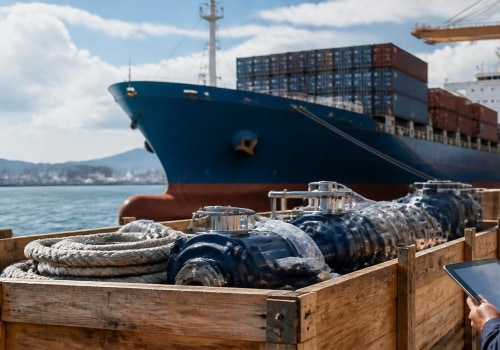
In the vast and dynamic world of the marine industry, marine equipment supply plays a pivotal role in ensuring that vessels operate safely and efficiently. From navigation systems to safety gear, the right equipment is essential for both recreational boaters and commercial operators. Understanding the nuances of marine equipment suppliers is crucial for making informed purchasing decisions, especially when it comes to comparing prices. When evaluating different suppliers, it’s important to recognize that not all marine equipment is created equal. Factors such as quality, durability, and compliance with safety standards can significantly impact the overall value of the equipment.
Therefore, while price is a critical consideration, it should not be the sole determinant in your decision-making process. A lower price may sometimes indicate inferior quality or lack of essential features that could compromise safety and performance. Moreover, the importance of marine equipment extends beyond just individual purchases; it encompasses the broader implications for operational efficiency and safety in marine activities. By taking the time to compare prices among various suppliers, consumers can ensure they are not only getting the best deal but also investing in reliable equipment that meets their specific needs. This careful consideration ultimately contributes to safer and more successful marine operations.
Quality of Equipment
When it comes to marine equipment supply, the quality of equipment is a critical factor that can significantly influence both performance and safety on the water.While it may be tempting to choose suppliers based solely on price, understanding the implications of equipment quality is essential for making informed purchasing decisions.
Durability and Reliability
- Durable marine supplies are designed to withstand harsh environmental conditions, including saltwater exposure, UV rays, and extreme temperatures. Investing in high-quality materials can prevent frequent replacements and repairs, ultimately saving money in the long run.
- Reliability is another key aspect; equipment that fails at critical moments can lead to dangerous situations. Choosing reputable suppliers known for their rigorous quality control processes ensures that you receive products that meet industry standards.
- Brand Reputation: Established brands often have a track record of producing reliable equipment. Researching customer reviews and testimonials can provide insights into the performance of specific products.
- Warranty and Support: Quality marine equipment typically comes with warranties that reflect the manufacturer's confidence in their products.
A robust warranty can offer peace of mind and protection against defects.
- Material Specifications: Look for detailed specifications regarding materials used in construction. High-grade materials often correlate with better performance and longevity.
Supplier Reputation and Reliability
When comparing prices among different marine equipment suppliers, understanding the reputation and reliability of each supplier is crucial.A supplier's reputation can significantly influence not only the pricing but also the quality of the products and services they offer. A well-regarded supplier often commands higher prices due to their established trustworthiness and customer satisfaction.
Why Reputation Matters
- Quality Assurance: Suppliers with a strong reputation are more likely to provide high-quality marine equipment, which can save you money in the long run by reducing maintenance and replacement costs.
- Customer Service: Reliable suppliers typically offer better customer service, ensuring that any issues are resolved quickly and efficiently.
- Warranty and Support: A reputable supplier is more likely to stand behind their products with solid warranties and support, adding value beyond just the initial price.
Researching Supplier Reliability
To assess a supplier's reliability, consider the following tips:
- Check Customer Reviews: Look for reviews on independent platforms to gauge customer satisfaction. Pay attention to recurring themes in feedback, such as product quality and service responsiveness.
- Industry Reputation: Research if the supplier is recognized within the marine industry. Awards, certifications, or memberships in professional organizations can indicate a commitment to quality.
- Ask for References: Don’t hesitate to ask potential suppliers for references from previous customers.
Speaking directly with past clients can provide insights into their experiences.
- Evaluate Longevity: Consider how long the supplier has been in business. Established companies often have a track record that reflects their reliability.
Shipping and Handling Costs
When comparing prices among different marine equipment suppliers, it is crucial to consider shipping and handling costs, as these can significantly impact the overall price you pay. Often, the initial price tag of marine equipment may not reflect the total cost of ownership, which includes these additional expenses.Shipping Costs
- Distance: The farther the supplier is from your location, the higher the shipping costs are likely to be.
Always check if the supplier offers local shipping options or partnerships with regional carriers.
- Shipping Method: Different shipping methods (standard, expedited, freight) come with varying costs. Evaluate how quickly you need the equipment and whether a faster shipping option justifies the extra expense.
- Weight and Size: Marine equipment can be bulky and heavy. Suppliers may charge based on weight or dimensional size, so it’s essential to understand how these factors influence shipping fees.
Handling Fees
- Packing Charges: Some suppliers may include packing fees in their quotes. Ensure you ask about any additional charges for special packaging that might be required for fragile or oversized items.
- Insurance: If you opt for shipping insurance to protect your investment during transit, this will add to your overall costs.
Weigh the benefits of insurance against its cost.
Warranty and After-Sales Support
When comparing prices among different marine equipment suppliers, it is crucial to consider the warranty and after-sales support they offer. These factors can significantly impact your overall investment and long-term satisfaction with your purchase.Understanding Warranties
- Coverage Duration: A longer warranty period often indicates the supplier's confidence in their products.
Look for warranties that cover at least one year, but many reputable suppliers offer extended warranties for added peace of mind.
- What’s Included: Ensure you understand what the warranty covers. Some warranties may only cover parts, while others include labor costs. A comprehensive warranty can save you significant expenses if repairs are needed.
- Transferability: If you plan to sell your vessel in the future, a transferable warranty can enhance its resale value. Check if the warranty can be transferred to a new owner without additional fees.
The Importance of After-Sales Support
- Customer Service: Evaluate the supplier's customer service reputation.
Quick and effective support can make a difference when you encounter issues with your equipment.
- Technical Assistance: Suppliers that provide technical support can help troubleshoot problems, ensuring that you can resolve issues without incurring additional costs.
- Availability of Spare Parts: Consider whether the supplier offers easy access to spare parts. A supplier with a robust inventory can minimize downtime and repair costs.
Bulk Purchase Discounts and Promotions
When it comes to marine equipment supply, one of the most effective ways to reduce costs is through bulk purchase discounts. Many suppliers offer significant price reductions for larger orders, which can lead to substantial savings for businesses and individuals alike.Understanding how to leverage these discounts can make a considerable difference in your overall expenditure.
Benefits of Bulk Purchasing
- Cost Savings: Purchasing in bulk often results in lower per-unit prices. This is particularly beneficial for items that are frequently used or have a long shelf life.
- Reduced Shipping Costs: Ordering larger quantities can minimize shipping expenses, as many suppliers offer free or discounted shipping for bulk orders.
- Inventory Management: Buying in bulk allows for better inventory control, ensuring that you have the necessary equipment on hand when needed.
- Seasonal Discounts: Many suppliers run promotions during specific times of the year, such as the start of the boating season or holiday sales.
- Loyalty Programs: Some suppliers offer loyalty programs that reward repeat customers with exclusive discounts or early access to sales.
- Bundle Offers: Look for packages that combine multiple items at a reduced rate, which can be particularly useful when outfitting a vessel.
Always compare the total cost of ownership, including shipping and potential future needs, to ensure you're making the best financial decision.
Comparing Online vs. Local Suppliers
When it comes to marine equipment supply, choosing between online and local suppliers can significantly impact your purchasing experience. Each option has its own set of advantages and disadvantages that can affect pricing, availability, and customer service.Online Marine Suppliers
Online suppliers often provide a wider selection of products at competitive prices. Here are some key points to consider:- Price Comparison: Online platforms allow for easy price comparisons across multiple suppliers, helping you find the best deals.
- Availability: Many online suppliers have extensive inventories, meaning you can often find specialized equipment that may not be available locally.
- Convenience: Shopping online is convenient, allowing you to browse and purchase from the comfort of your home at any time.
- Shipping Costs: While prices may be lower, consider potential shipping costs and delivery times, which can add to the overall expense.
Local Suppliers
Local marine equipment suppliers offer their own unique benefits:- Immediate Availability: You can take your equipment home immediately without waiting for shipping.
- Personalized Service: Local suppliers often provide personalized customer service, allowing you to ask questions and receive expert advice tailored to your needs.
- Support Local Economy: Purchasing from local businesses helps support your community and can foster long-term relationships with suppliers.
- Limited Selection: However, local stores may have a more limited selection compared to online options, which could restrict your choices.
If you prioritize immediate access and personalized service, local suppliers may be the way to go. Conversely, if you're looking for a broader selection and competitive pricing, online marine suppliers could be more advantageous. Weighing these factors carefully will help you make an informed decision that best suits your marine equipment needs.
FAQs About Marine Equipment Pricing Comparisons
When it comes to marine equipment supply, understanding pricing can be complex. Here are some frequently asked questions that can help clarify the process of comparing prices among different suppliers.What factors influence marine equipment pricing?
Several factors can affect the price of marine equipment, including:- Brand Reputation: Well-known brands often charge a premium for their products due to perceived quality and reliability.
- Material Quality: The materials used in manufacturing can significantly impact the price.
Higher-quality materials typically lead to higher costs.
- Supplier Location: Shipping costs and import duties can vary based on where the supplier is located, affecting the final price.
- Warranty and Support: Equipment that comes with extensive warranties or customer support may be priced higher but can offer better long-term value.
How can I effectively compare prices?
To make an informed decision, consider the following tips:- Gather Multiple Quotes: Always obtain quotes from several suppliers to get a comprehensive view of the market.
- Check for Hidden Costs: Look beyond the sticker price. Consider shipping fees, taxes, and any additional charges that may apply.
- Read Reviews: Customer feedback can provide insights into whether a supplier's pricing reflects their product quality and service.
- Evaluate Total Cost of Ownership: Sometimes, a higher upfront cost may lead to lower maintenance or replacement costs over time.
Are there seasonal price fluctuations?
Yes, prices for marine equipment can fluctuate based on seasonal demand. For instance, during peak boating season, prices may rise due to increased demand. Conversely, off-season sales can offer significant savings.Keeping an eye on these trends can help you time your purchases effectively.By addressing these common questions and employing strategic comparison techniques, you can navigate the complexities of marine equipment supply pricing with greater confidence.
Conclusion: Making Informed Decisions in Marine Equipment Supply
In conclusion, making informed decisions in marine equipment supply requires a comprehensive understanding of various factors that influence pricing. As we have discussed, it is essential to look beyond the surface price and consider the overall value offered by different suppliers. Firstly, evaluating the quality of the equipment is paramount. Cheaper options may seem appealing initially, but they can lead to higher long-term costs due to frequent replacements or repairs. Always prioritize suppliers who provide detailed specifications and warranties for their products. Secondly, consider the reputation of the supplier.Researching customer reviews and testimonials can provide insights into their reliability and service quality. A supplier with a strong track record is often worth a slightly higher price. Additionally, take into account the shipping and handling costs associated with your purchase. Some suppliers may offer lower prices but charge exorbitant fees for delivery, negating any savings you might have gained. Furthermore, don’t overlook the importance of customer support. A supplier that offers robust after-sales support can save you time and money in troubleshooting issues that may arise post-purchase. Lastly, always compare bulk purchase discounts or loyalty programs that some suppliers offer.
These can significantly reduce costs if you plan to make multiple purchases over time. By carefully considering these factors—quality, reputation, shipping costs, customer support, and potential discounts—you can make more informed decisions when comparing prices among different marine equipment suppliers. This strategic approach not only ensures you get the best deal but also enhances your overall experience in the marine industry.