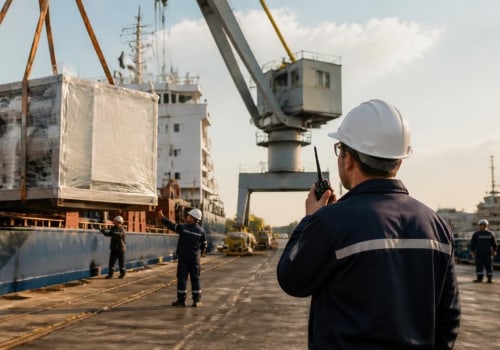
The maritime industry is a complex and dynamic field that relies heavily on marine equipment supply to ensure safe and efficient operations. From commercial shipping to recreational boating, the quality and reliability of marine equipment play a crucial role in maintaining performance and safety standards. As vessels navigate through challenging environments, the need for durable and dependable equipment becomes paramount. This is where marine suppliers step in, providing a wide range of products designed to meet the specific needs of various maritime applications. Understanding the significance of marine equipment supply goes beyond just recognizing the products available; it encompasses the assurance that comes with warranties and guarantees offered by suppliers.
These assurances not only protect the investment made by vessel owners but also enhance trust in the supplier's commitment to quality. When purchasing marine equipment, knowing that a warranty or guarantee is in place can provide peace of mind, ensuring that any potential issues will be addressed promptly and effectively. As we delve deeper into the topic of warranties and guarantees in the marine equipment supply sector, it is essential to recognize how these elements contribute to overall operational efficiency and safety. By choosing reputable marine suppliers who stand behind their products with solid warranties, customers can navigate the waters of maritime operations with confidence, knowing they have reliable support should challenges arise.
Types of Marine Equipment Warranties
When it comes to marine equipment supply, understanding the various types of warranties available can significantly impact your purchasing decisions. Here are the primary types of warranties offered by marine equipment suppliers:- Manufacturer Warranties: These are the most common type of warranties provided directly by the manufacturer of the marine equipment.
Typically, they cover defects in materials and workmanship for a specified period. For instance, a manufacturer might offer a warranty that lasts for one to three years, depending on the product. It's essential to read the fine print, as some warranties may only cover specific components or require regular maintenance to remain valid.
- Extended Warranties: Also known as service contracts, these warranties extend the coverage period beyond the standard manufacturer warranty. They can be purchased at the time of buying the equipment or shortly after.
Extended warranties can provide peace of mind, especially for high-value items like engines or navigation systems, but they often come with additional costs and may have limitations on what is covered.
- Service Warranties: These warranties are typically offered by retailers or service providers and cover repairs and maintenance services rather than the equipment itself. Service warranties can be beneficial for consumers who prefer to have their equipment serviced by professionals, ensuring that any repairs are handled correctly and efficiently.
Understanding Guarantees in Marine Equipment Supply
In the realm of marine equipment supply, understanding the nuances of guarantees is crucial for buyers.A guarantee is a promise made by the supplier regarding the quality and performance of a product. It assures customers that the equipment will meet certain standards and perform as expected. This assurance can significantly influence purchasing decisions, especially in an industry where reliability is paramount.It is important to distinguish between guarantees and warranties. While both serve to protect the buyer, they differ in scope and duration.
A warranty typically covers repairs or replacements for a specified period after purchase, often focusing on defects in materials or workmanship. In contrast, a guarantee may encompass broader assurances, such as satisfaction with performance or adherence to specific standards.
Types of Guarantees Offered
- Performance Guarantees: These ensure that the marine equipment will perform to specified standards under normal operating conditions.
- Satisfaction Guarantees: Suppliers may offer a satisfaction guarantee, allowing customers to return products if they do not meet expectations.
- Money-Back Guarantees: Some suppliers provide a full refund if the product fails to meet its advertised claims within a certain timeframe.
By recognizing the differences between guarantees and warranties, customers can better assess their options and choose products that align with their needs and expectations.
The Importance of Warranties and Guarantees for Buyers
When investing in marine equipment supply, understanding the significance of warranties and guarantees is crucial for buyers. These assurances not only provide peace of mind but also serve as a form of buyer protection against potential defects or malfunctions.Importance of Warranties
- Financial Security: A warranty can save buyers from unexpected repair costs, ensuring that they are not left with a hefty bill if the equipment fails within the warranty period.
- Quality Assurance: Suppliers that offer warranties often stand behind the quality of their products, indicating confidence in their durability and performance.
- Consumer Trust: Warranties enhance trust between buyers and suppliers, fostering long-term relationships and encouraging repeat business.
Influence on Purchasing Decisions
The presence of a warranty can significantly influence a buyer's decision-making process. When comparing different marine equipment supply options, consumers are likely to favor products with robust warranties over those without. This preference stems from the desire for security and assurance that their investment is protected.
Types of Warranties
- Limited Warranty: Covers specific parts or defects for a designated period, often excluding normal wear and tear.
- Full Warranty: Provides comprehensive coverage, typically including all parts and labor for repairs.
- Satisfaction Guarantee: Ensures that if the buyer is not satisfied with the product, they can return it within a specified timeframe for a full refund.
They not only protect buyers but also enhance their confidence in making informed purchasing decisions. As such, potential buyers should always consider the warranty options available when evaluating marine equipment supply.
How to Evaluate Warranties and Guarantees from Suppliers
When it comes to marine equipment supply, understanding the warranties and guarantees offered by suppliers is crucial for making informed purchasing decisions. Here are some key factors to consider when evaluating these offers:- Duration of Coverage: Check how long the warranty lasts. A longer warranty period often indicates the supplier's confidence in their products.
Typical warranties range from one year to several years, depending on the type of equipment.
- Scope of Coverage: Understand what is covered under the warranty. Does it include parts, labor, or both? Some warranties may only cover manufacturing defects, while others might also cover wear and tear.
- Exclusions: Pay attention to what is not covered. Common exclusions can include damage from improper use, environmental factors, or modifications made after purchase. Knowing these can save you from unexpected costs.
- Claim Process: Evaluate how easy it is to file a claim.
A straightforward process with clear instructions can save you time and frustration if you need to utilize the warranty.
- Customer Reviews: Research customer feedback regarding the supplier's warranty service. Look for reviews that mention how claims were handled and whether customers felt satisfied with the resolution.
- Create a Comparison Chart: List out the key features of each warranty side by side. This visual aid can help you quickly identify which supplier offers the best terms.
- Ask Questions: Don’t hesitate to reach out to suppliers for clarification on their warranties.
Asking specific questions can reveal their level of customer service and willingness to support their products.
- Consider Reputation: Research the supplier’s reputation in the industry. Established suppliers with a history of good service are more likely to honor their warranties effectively.
Common Questions About Marine Equipment Warranties and Guarantees
When considering marine equipment supply, many buyers have questions regarding warranties and guarantees. Understanding these aspects can significantly influence your purchasing decision. Here are some common questions and concerns:- What types of warranties are typically offered?
Most marine equipment suppliers provide a standard manufacturer’s warranty, which usually covers defects in materials and workmanship for a specified period.Some suppliers may also offer extended warranties for an additional cost.
- Are there any guarantees on performance?
While many suppliers guarantee that their products will perform as advertised, it’s essential to read the fine print. Performance guarantees may vary based on the type of equipment and its intended use. - What should I do if my equipment is defective?
In the event of a defect, you should contact the supplier immediately. Most warranties require you to report issues within a certain timeframe. Be prepared to provide proof of purchase and details about the defect. - Can I transfer my warranty?
Some warranties are transferable, while others are not.If you plan to sell your marine equipment, check with the supplier to see if the warranty can be transferred to the new owner.
- What is not covered by warranties?
Common exclusions include damage caused by misuse, normal wear and tear, and modifications made to the equipment without the supplier's consent. Always review the warranty terms carefully to understand what is covered.
Case Studies: Real-Life Examples of Warranties in Action
Understanding the impact of warranties in the marine equipment supply industry can be best illustrated through real-life case studies. These examples highlight how warranties can significantly influence customer satisfaction and trust.Case Study 1: The Engine Warranty
A commercial fishing company purchased a high-performance engine from a reputable marine equipment supplier.Shortly after installation, the engine began to exhibit performance issues. Thanks to the comprehensive warranty provided by the supplier, the company was able to return the faulty engine without incurring additional costs. The supplier not only replaced the engine but also covered the installation fees. This experience reinforced the company's loyalty to the supplier, showcasing how effective warranty policies can enhance customer relationships.
Case Study 2: The Disappointing Experience
In contrast, a recreational boater purchased a navigation system that came with a limited warranty.After just six months of use, the system malfunctioned. When the boater attempted to claim the warranty, they discovered that it only covered parts and not labor costs. This led to unexpected expenses and frustration, ultimately resulting in negative reviews for the supplier. This case illustrates how inadequate warranty terms can lead to customer dissatisfaction and damage a supplier's reputation.
Case Study 3: The Lifesaving Equipment
A marine safety equipment supplier offered an extended warranty on life rafts and emergency beacons.One customer experienced a critical situation where their life raft failed during an emergency drill. Fortunately, the extended warranty allowed them to receive a replacement at no cost. This incident not only saved lives but also solidified the customer's trust in the supplier's commitment to safety and quality.These case studies demonstrate that warranties are not just contractual obligations; they are vital components of customer experience in the marine equipment supply sector. A well-structured warranty can enhance customer loyalty, while poor warranty terms can lead to dissatisfaction and loss of business.
Conclusion: Making Informed Decisions in Marine Equipment Supply
In conclusion, understanding the warranties and guarantees offered by marine equipment suppliers is crucial for making informed decisions in the realm of marine equipment supply.As we have explored, these assurances not only provide peace of mind but also protect your investment in high-quality marine gear.When considering a purchase, it is essential to:
- Research Supplier Policies: Different suppliers may offer varying levels of warranty coverage. Some may provide extensive warranties that cover parts and labor, while others might only cover defects in materials.
- Evaluate Warranty Length: A longer warranty period often indicates the supplier's confidence in their products. Look for warranties that extend beyond the standard one-year coverage.
- Understand Exclusions: Carefully read the fine print to identify any exclusions or limitations that could affect your coverage. This includes understanding what types of damage are not covered.
- Consider Customer Support: A supplier that offers robust customer support can make a significant difference when you need to file a claim or seek assistance with your equipment.
By prioritizing suppliers who stand behind their products with solid warranties and guarantees, you can navigate the waters of marine equipment supply with greater confidence and security.