The marine equipment supply industry plays a crucial role in the overall functionality and efficiency of maritime operations. From fishing vessels to luxury yachts, the quality of equipment used can significantly impact not only the performance of these vessels but also the safety and reliability of marine operations. Understanding the intricacies of the marine supply chain is essential for stakeholders, as it encompasses everything from manufacturing to distribution, ensuring that high-quality equipment reaches its intended users. Quality in marine equipment is not merely a matter of preference; it directly influences supply dynamics. When manufacturers prioritize quality, they often face higher production costs, which can lead to increased prices for consumers.
However, this investment in quality can result in longer-lasting products that require less frequent replacement, ultimately benefiting the supply chain by reducing waste and enhancing sustainability. Conversely, subpar equipment can lead to operational failures, increased maintenance costs, and even safety hazards, which can disrupt the entire supply chain. Moreover, as the demand for advanced marine technology grows, so does the need for reliable suppliers who can deliver high-quality products consistently. This demand creates a competitive landscape where suppliers must not only meet quality standards but also adapt to evolving market needs. In this context, understanding how quality affects marine equipment supply is vital for anyone involved in maritime industries, from shipbuilders to end-users.
The Role of Quality in Marine Equipment
The quality of marine equipment plays a pivotal role in ensuring not only the operational efficiency of maritime operations but also the safety of personnel and vessels.High-quality marine equipment adheres to stringent marine equipment standards, which are designed to withstand the harsh conditions of marine environments. These standards encompass various aspects, including material durability, design integrity, and performance reliability.When evaluating the quality of marine equipment, several key factors come into play:
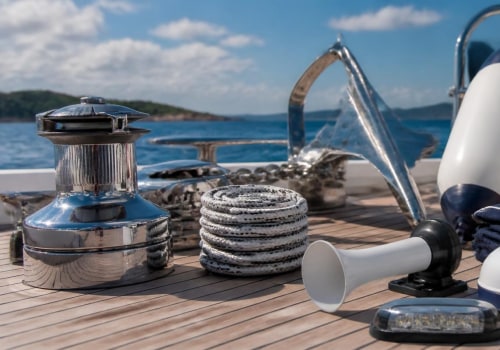
- Material Selection: The choice of materials used in manufacturing marine equipment significantly impacts its longevity and performance. Corrosion-resistant materials, such as stainless steel and high-grade plastics, are essential for equipment exposed to saltwater.
- Manufacturing Processes: Advanced manufacturing techniques, including precision engineering and quality control measures, ensure that each piece of equipment meets or exceeds industry standards.
- Testing and Certification: Rigorous testing protocols and certifications from recognized bodies validate the quality of marine equipment, providing assurance to operators regarding its reliability.
This not only lowers operational costs but also stabilizes supply chains by minimizing disruptions caused by equipment failures. Conversely, subpar equipment can lead to increased downtime and higher maintenance costs, ultimately affecting the availability of reliable marine resources.In conclusion, investing in high-quality marine equipment is essential for maintaining efficient operations and ensuring safety at sea. As demand for reliable marine solutions continues to grow, understanding the importance of quality will be crucial for stakeholders in the maritime industry.
How Quality Affects Supply Chain Efficiency
The quality of marine equipment plays a crucial role in determining the efficiency of the entire supply chain. When marine equipment is manufactured to high standards, it not only meets regulatory requirements but also enhances operational reliability.This reliability directly impacts logistics and inventory management, leading to smoother operations.High-quality marine equipment reduces the likelihood of breakdowns and malfunctions during transit or operation. This reliability minimizes delays in the supply chain, allowing for timely deliveries and better customer satisfaction. Conversely, low-quality equipment can lead to frequent repairs and replacements, which disrupt logistics and inflate costs.
Impact on Inventory Management
Effective inventory management is essential for maintaining a steady flow of marine equipment. When quality is prioritized, companies can adopt a just-in-time inventory approach, reducing holding costs and minimizing waste.High-quality products tend to have longer lifespans, which means that businesses can maintain lower inventory levels without risking stockouts.
Logistical Considerations
The logistics of transporting marine equipment are also influenced by its quality. Equipment that is robust and well-constructed is less likely to sustain damage during shipping. This durability not only protects the investment but also streamlines the logistics process by reducing the need for returns and replacements.- Reduced Downtime: High-quality marine equipment leads to fewer operational interruptions.
- Cost Efficiency: Investing in quality reduces long-term costs associated with repairs and replacements.
- Enhanced Reputation: Companies known for quality products often enjoy better relationships with suppliers and customers.
Market Demand and Quality Perception
The relationship between market demand for marine equipment and the perception of quality is intricate and significant.As consumers become more discerning, their expectations regarding the quality of marine equipment have risen, directly influencing their purchasing decisions.In the marine industry, quality perception is shaped by several factors:
- Brand Reputation: Established brands often enjoy a competitive edge due to their history of reliability and performance. Consumers are more likely to trust brands that have consistently delivered high-quality products.
- Product Reviews and Recommendations: With the rise of online platforms, consumer reviews play a crucial role in shaping perceptions. Positive feedback can enhance demand, while negative reviews can deter potential buyers.
- Technological Advancements: Innovations in materials and design can elevate the perceived quality of marine equipment. Products that incorporate cutting-edge technology often attract more attention and command higher prices.
This shift can lead to:
- Increased Production Costs: Higher quality materials and advanced manufacturing processes often result in increased costs, which can affect pricing strategies.
- Supply Chain Adjustments: Suppliers may need to source better materials or invest in new technologies to maintain quality standards, impacting overall supply.
- Market Segmentation: A focus on quality can lead to the emergence of niche markets where premium products are offered, catering to consumers willing to pay more for superior equipment.
Regulatory Standards and Quality Assurance
The marine equipment industry is heavily influenced by regulatory standards that ensure safety, reliability, and environmental protection. These regulations are established by various governing bodies, including the International Maritime Organization (IMO) and national agencies such as the U.S. Coast Guard.Compliance with these standards is not merely a formality; it significantly impacts the marine equipment supply chain.
Understanding Marine Equipment Regulations
- Safety Standards: Equipment must meet stringent safety requirements to protect crew and cargo.
- Environmental Regulations: Equipment must comply with laws aimed at minimizing environmental impact, such as emissions controls.
- Quality Assurance Protocols: Manufacturers are required to implement quality assurance processes to ensure that products meet specified standards.
The Compliance Impact on Supply Availability
When manufacturers fail to comply with regulatory standards, they risk facing penalties, product recalls, or even bans on their equipment. Such consequences can lead to significant disruptions in the marine equipment supply.
Conversely, companies that prioritize compliance are more likely to maintain a steady supply of high-quality products in the market.Furthermore, as regulations evolve—especially with increasing focus on sustainability—companies that adapt quickly will have a competitive edge. This adaptability not only ensures compliance but also enhances their reputation in the industry, leading to increased demand for their products.In summary, the relationship between regulatory standards and quality assurance is crucial in shaping the availability of marine equipment. By understanding and adhering to these regulations, manufacturers can ensure a reliable supply of high-quality marine equipment that meets both market demands and safety requirements.
Challenges in Maintaining Quality Standards
Maintaining high-quality standards in the marine equipment supply chain presents numerous challenges that can significantly impact the overall supply of these essential products. As the demand for reliable and durable marine equipment grows, manufacturers and suppliers must navigate various obstacles to ensure that quality is not compromised.Common Challenges in Quality Maintenance
- Inconsistent Raw Materials: The quality of marine equipment heavily relies on the materials used in production.
Variability in the quality of raw materials can lead to inconsistencies in the final product, affecting durability and performance.
- Complex Supply Chains: The marine equipment supply chain often involves multiple stakeholders, including manufacturers, suppliers, and distributors. Each link in this chain must adhere to strict quality standards, which can be difficult to enforce consistently.
- Regulatory Compliance: Adhering to industry regulations and standards is crucial for maintaining quality. However, keeping up with changing regulations can be a challenge for manufacturers, leading to potential lapses in quality control.
- Technological Advancements: While new technologies can enhance production efficiency, they may also introduce complexities that can compromise quality if not managed properly. Training staff to use advanced machinery effectively is essential but often overlooked.
Implications for Supply
The implications of these challenges are far-reaching.Quality control issues can lead to increased returns and warranty claims, which not only affect profitability but also damage a brand's reputation. Furthermore, when manufacturers struggle to maintain quality, it can result in delays in production and distribution, ultimately impacting the availability of marine equipment in the market.To mitigate these challenges, companies must invest in robust quality management systems and foster strong relationships with suppliers. Regular audits and inspections can help ensure compliance with quality standards throughout the supply chain. By prioritizing quality, manufacturers can enhance their reputation and ensure a steady supply of reliable marine equipment.
Future Trends in Marine Equipment Quality and Supply
As the marine industry evolves, future trends in marine equipment quality are becoming increasingly significant.Innovations in technology and manufacturing processes are set to redefine how marine equipment is produced, tested, and supplied.
Emerging Technologies
- 3D Printing: This technology allows for rapid prototyping and production of complex marine components, reducing lead times and enhancing customization.
- Smart Sensors: Integrating IoT devices into marine equipment can provide real-time data on performance and maintenance needs, ensuring higher quality standards and reducing downtime.
- Advanced Materials: The use of lightweight, durable materials can improve the longevity and efficiency of marine equipment, directly impacting supply by reducing replacement rates.
Quality Assurance Innovations
- Automated Quality Control: Utilizing AI and machine learning for quality assurance can enhance the precision of inspections, ensuring that only the highest quality products reach the market.
- Sustainability Standards: As environmental concerns grow, manufacturers are increasingly adopting sustainable practices that not only improve quality but also appeal to eco-conscious consumers.
FAQs about Marine Equipment Quality and Supply
Understanding the relationship between marine equipment quality and its supply is crucial for both consumers and suppliers.Here are some frequently asked questions that can shed light on this topic:
- How does equipment quality impact supply?
The quality of marine equipment directly influences its availability in the market. High-quality products tend to have longer lifespans and require fewer replacements, which can lead to a more stable supply chain. Conversely, low-quality equipment may result in higher return rates and increased demand for replacements, disrupting the supply. - What are the common quality standards for marine equipment?
Marine equipment is often subject to various industry standards, such as ISO certifications and safety regulations. These standards ensure that products meet specific performance criteria, which can affect their availability in the market. - How can I assess the quality of marine equipment before purchasing?
To evaluate the quality of marine equipment, consider factors such as brand reputation, customer reviews, warranty offerings, and compliance with industry standards.Additionally, seeking advice from experienced marine professionals can provide valuable insights.
- What role do manufacturers play in maintaining supply?
Manufacturers are responsible for ensuring that their products meet quality standards and are produced efficiently. A reliable manufacturer will implement quality control measures that not only enhance product durability but also streamline the supply process. - Are there seasonal fluctuations in marine equipment supply?
Yes, seasonal demand can significantly impact the supply of marine equipment. For instance, during peak boating seasons, demand may surge, leading to potential shortages if manufacturers cannot keep up with production.
Conclusion: The Interplay Between Quality and Supply in Marine Equipment
In conclusion, the relationship between quality and marine equipment supply is both intricate and significant. Throughout this article, we have explored how the caliber of marine equipment directly impacts its availability in the market.High-quality equipment not only meets safety and performance standards but also enhances the reputation of manufacturers and suppliers.When consumers prioritize quality, they are often willing to invest more, which can lead to a more stable demand for premium products. This demand encourages manufacturers to focus on producing durable and reliable equipment, ultimately influencing the overall marine equipment supply. Conversely, if the market is flooded with subpar products, it can lead to a decline in consumer trust and a subsequent decrease in demand.
- Consumer Trust: High-quality marine equipment fosters trust among users, leading to repeat purchases and brand loyalty.
- Market Stability: A focus on quality can stabilize supply chains, as manufacturers are less likely to face returns or warranty claims.
- Innovation: Quality-driven companies are often at the forefront of innovation, creating advanced products that meet evolving industry standards.
However, in the long run, this commitment to quality will likely result in a more robust and reliable supply chain.Ultimately, understanding this dynamic is crucial for stakeholders in the marine industry. By prioritizing quality in their offerings, manufacturers can not only meet current market demands but also pave the way for future growth and sustainability in marine equipment supply.