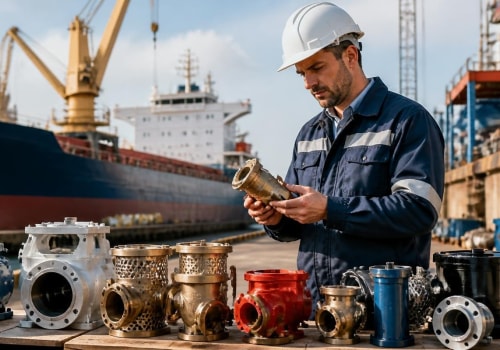
As the world increasingly recognizes the impact of human activities on marine ecosystems, the demand for eco-friendly marine equipment has surged. The marine industry, traditionally reliant on materials and practices that can harm aquatic environments, is now at a pivotal point where sustainability is not just a trend but a necessity. This shift is crucial for preserving our oceans and waterways for future generations, making it essential to explore sustainable marine supplies that minimize environmental footprints.Incorporating marine equipment supply that prioritizes sustainability involves selecting products made from renewable resources, biodegradable materials, and those designed for longevity. For instance, many manufacturers are now producing gear from recycled plastics or sustainably sourced wood, which significantly reduces waste and pollution.
Additionally, innovations in technology have led to the development of energy-efficient equipment that not only performs well but also conserves energy and reduces emissions.The transition to eco-friendly options in marine equipment is not merely beneficial for the environment; it also offers practical advantages for boaters and marine professionals. By investing in sustainable supplies, users can enjoy enhanced durability and performance while contributing to the health of marine ecosystems. As we delve deeper into this topic, we will uncover various eco-friendly alternatives available in the market and how they can be integrated into everyday marine operations.
Understanding Marine Equipment Supply and Its Environmental Impact
The term marine equipment supply encompasses a wide range of products and services essential for the operation and maintenance of vessels, including fishing gear, navigation tools, safety equipment, and maintenance supplies. However, the production and disposal of these items can have significant environmental impacts.Many traditional marine supplies are made from non-biodegradable materials such as plastics and metals, which contribute to pollution in our oceans.For instance, discarded fishing nets and gear are notorious for causing harm to marine life, leading to entanglement and ingestion issues. Additionally, the manufacturing processes for these products often involve harmful chemicals that can leach into waterways, further exacerbating environmental degradation.Recognizing these challenges, there is a growing demand for sustainable alternatives in the marine equipment supply industry. Here are some eco-friendly options:
- Biodegradable Fishing Gear: Innovations in materials have led to the development of fishing nets and lines made from biodegradable substances that break down naturally over time.
- Recycled Materials: Some manufacturers are now producing marine equipment from recycled plastics and metals, reducing the need for virgin resources and minimizing waste.
- Eco-Friendly Cleaning Products: The use of environmentally safe cleaning agents for boat maintenance helps prevent harmful chemicals from entering marine ecosystems.
- Sustainable Sourcing: Choosing suppliers that prioritize sustainable practices in their production processes can significantly reduce the overall environmental footprint of marine equipment.
Types of Eco-Friendly Marine Equipment Supplies
As the demand for sustainable practices grows, the marine industry is witnessing a surge in eco-friendly marine equipment supplies.These products not only minimize environmental impact but also enhance the longevity and performance of marine operations. Below are some notable types of sustainable marine equipment options available today:
- Biodegradable Cleaning Products: Traditional cleaning agents can be harmful to marine ecosystems. Eco-friendly alternatives are made from natural ingredients that break down easily, reducing pollution in waterways.
- Solar-Powered Equipment: Solar technology is revolutionizing marine operations. From solar-powered lights to pumps, these devices harness renewable energy, decreasing reliance on fossil fuels.
- Recycled Materials: Many manufacturers are now producing marine supplies using recycled plastics and metals.
This not only diverts waste from landfills but also reduces the carbon footprint associated with new material production.
- Eco-Friendly Paints and Coatings: Marine paints that are free from harmful solvents and heavy metals help protect both vessels and aquatic life. These coatings often provide better durability and require less frequent reapplication.
- Sustainable Fishing Gear: Innovations in fishing gear, such as nets made from biodegradable materials or traps designed to minimize bycatch, are essential for preserving marine biodiversity.
Materials Used in Sustainable Marine Equipment
In the quest for sustainable marine equipment, the choice of materials plays a crucial role. Traditional materials often come with significant environmental costs, while eco-friendly alternatives are gaining traction in the marine industry.Here are some of the most commonly used sustainable materials in marine equipment:
- Recycled Plastics: Many manufacturers are now utilizing recycled plastics to create durable and lightweight marine supplies. These materials not only reduce waste but also lower the demand for virgin plastic production, which is a major contributor to pollution.
- Bamboo: As a rapidly renewable resource, bamboo is increasingly being used in various marine applications, from boat interiors to accessories. Its strength and flexibility make it an excellent alternative to traditional hardwoods.
- Natural Fibers: Materials such as hemp, jute, and flax are being incorporated into marine textiles and ropes. These natural fibers are biodegradable and have a lower environmental impact compared to synthetic fibers.
- Biocomposites: Combining natural fibers with bio-based resins, biocomposites offer a strong yet lightweight option for boat construction and other marine applications.
They provide similar performance to traditional composites while being more environmentally friendly.
- Aluminum Alloys: While aluminum itself is not a new material, using recycled aluminum alloys can significantly reduce the carbon footprint associated with marine equipment manufacturing. Recycled aluminum requires only 5% of the energy needed to produce new aluminum.
Top Brands Offering Eco-Friendly Marine Equipment Supplies
As the demand for eco-friendly marine equipment supplies continues to rise, several brands have emerged as leaders in providing sustainable options for boaters and marine enthusiasts. Here are some top brands that prioritize environmental responsibility while delivering high-quality products:- EcoMarine : Known for its innovative approach, EcoMarine offers a range of biodegradable cleaning products and eco-friendly maintenance supplies.
Their commitment to sustainability is evident in their use of natural ingredients that are safe for marine life.
- Green Marine : This brand specializes in sustainable boating solutions, including energy-efficient engines and solar-powered equipment. Green Marine focuses on reducing the carbon footprint of marine activities, making it a popular choice among environmentally conscious boaters.
- SeaChoice : SeaChoice provides a variety of eco-friendly marine supplies, from biodegradable dock lines to sustainable fishing gear. Their products are designed to minimize environmental impact while maintaining durability and performance.
- Harken : While primarily known for their sailing hardware, Harken has made strides in sustainability by incorporating recycled materials into their products. Their commitment to reducing waste makes them a reliable choice for eco-conscious sailors.
- West Marine : As a leading retailer in the marine industry, West Marine offers a selection of sustainable products, including eco-friendly paints and coatings.
They also provide resources to help customers make informed choices about environmentally friendly options.
How to Choose Sustainable Marine Equipment Supplies
Choosing sustainable marine equipment supplies is essential for minimizing environmental impact while ensuring safety and efficiency on the water. Here are some practical tips to guide your selection process:- Research Materials: Look for equipment made from recycled or renewable materials. For instance, products made from recycled plastics or sustainably sourced wood can significantly reduce your carbon footprint.
- Check Certifications: Seek out products that have been certified by recognized environmental organizations.
Certifications such as Energy Star, Green Seal, or ISO 14001 indicate that the equipment meets specific sustainability standards.
- Evaluate Durability: Invest in high-quality, durable equipment that will last longer and require less frequent replacement. This not only saves money in the long run but also reduces waste.
- Consider Energy Efficiency: Opt for energy-efficient marine equipment, such as solar-powered devices or LED lighting, which can help lower energy consumption and reduce reliance on fossil fuels.
- Support Local Manufacturers: Whenever possible, choose products from local suppliers. This not only supports the local economy but also reduces the carbon emissions associated with long-distance shipping.
FAQs About Eco-Friendly Marine Equipment Supplies
As the demand for eco-friendly marine equipment supplies grows, many boaters and marine enthusiasts have questions about the options available to them. Here are some frequently asked questions that can help clarify common doubts:- What are eco-friendly marine equipment supplies?
Eco-friendly marine equipment supplies refer to products designed with sustainable materials and practices that minimize environmental impact.This includes items made from recycled materials, biodegradable products, and those that reduce energy consumption.
- Are there sustainable alternatives to traditional boat paints?
Yes, there are several sustainable alternatives to traditional boat paints. Look for paints that are low in volatile organic compounds (VOCs) and made from natural ingredients. These options are less harmful to marine life and the environment. - How can I ensure my marine equipment is sustainably sourced?
To ensure sustainability, check for certifications from recognized organizations that promote eco-friendly practices. Additionally, research the manufacturers to understand their sourcing and production methods. - What types of eco-friendly materials are used in marine equipment?
Common eco-friendly materials include recycled plastics, bamboo, hemp, and natural fibers.These materials not only reduce waste but also offer durability and performance.
- Can I find eco-friendly options for all types of marine supplies?
While many categories of marine supplies now offer eco-friendly options, availability may vary. Items such as ropes, cleaning products, and even fishing gear have seen a rise in sustainable alternatives.
Conclusion: The Future of Marine Equipment Supply Sustainability
As we look towards the future of marine equipment supply, it is clear that sustainability must be at the forefront of our choices. The marine industry has a significant impact on our oceans and waterways, and adopting eco-friendly practices is essential for preserving these vital ecosystems.Throughout this article, we have explored various sustainable options available for marine equipment supplies, including:- Biodegradable materials: Utilizing products made from natural fibers or biodegradable plastics can significantly reduce waste in marine environments.
- Energy-efficient technologies: Investing in energy-efficient equipment not only lowers operational costs but also minimizes carbon footprints.
- Recycled materials: Many manufacturers are now producing marine supplies from recycled materials, which helps to reduce the demand for new resources and lowers environmental impact.
- Sustainable sourcing: Choosing suppliers who prioritize sustainable practices ensures that the entire supply chain is environmentally responsible.
By opting for sustainable marine equipment supply, we contribute to a healthier planet and set a precedent for future generations. It is not just about compliance with regulations; it is about fostering a culture of responsibility within the marine industry.In conclusion, as consumers and industry stakeholders, we hold the power to drive change. By prioritizing eco-friendly options in our purchasing decisions, we can collectively work towards a more sustainable future for marine equipment supply. The time to act is now—let's embrace sustainability and protect our oceans for years to come.