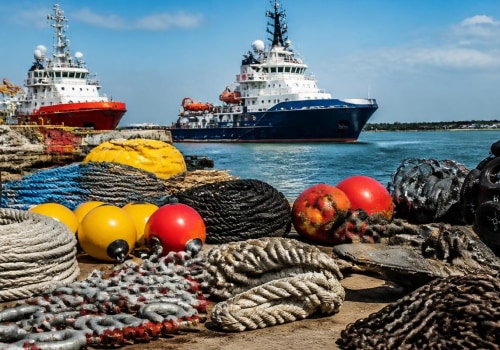
The marine equipment supply industry plays a crucial role in supporting maritime operations, from commercial shipping to recreational boating. However, suppliers in this sector face a myriad of challenges that can significantly impact their ability to deliver products and services efficiently. Understanding these challenges is essential for stakeholders looking to navigate the complexities of the marine market. One of the primary issues confronting marine suppliers is the fluctuating demand for equipment, which can be influenced by economic conditions, regulatory changes, and technological advancements. This unpredictability often leads to inventory management difficulties, where suppliers must balance stock levels to meet customer needs without incurring excessive holding costs.
Additionally, the global nature of the marine industry means that suppliers must contend with varying regulations and standards across different regions, complicating compliance and logistics. Furthermore, the marine industry obstacles extend to supply chain disruptions, which can arise from geopolitical tensions, natural disasters, or even pandemics. These disruptions not only delay shipments but can also increase costs, forcing suppliers to adapt quickly to maintain their competitive edge. As we delve deeper into this topic, we will explore specific challenges faced by marine equipment suppliers and discuss potential strategies for overcoming these hurdles.
Market Volatility and Economic Factors
The marine equipment supply industry is significantly influenced by market volatility and various economic factors. Suppliers often find themselves navigating a landscape marked by unpredictable demand and fluctuating prices, which can create substantial challenges.Market volatility
can arise from several sources, including changes in global trade policies, shifts in consumer preferences, and economic downturns.For instance, during periods of economic uncertainty, investments in marine equipment may decline as businesses prioritize cost-cutting measures. This can lead to a surplus of inventory, forcing suppliers to lower prices to stimulate sales, which in turn affects their profit margins.Additionally, the economic impact on marine supply is often felt through supply chain disruptions. Natural disasters, geopolitical tensions, or even pandemics can interrupt the flow of materials needed for manufacturing marine equipment. Such disruptions not only delay production timelines but also increase costs due to the need for alternative sourcing or expedited shipping methods.
- Pricing Pressures: Fluctuating raw material costs can lead to unpredictable pricing for end consumers.
Suppliers must balance these costs while remaining competitive.
- Supply Chain Challenges: Disruptions can lead to delays in product availability, impacting customer satisfaction and long-term relationships.
- Demand Fluctuations: Seasonal variations and economic cycles can cause significant swings in demand for marine equipment.
Regulatory Compliance and Environmental Standards
In the marine equipment supply industry, regulatory compliance and adherence to environmental standards are paramount. Suppliers must navigate a complex landscape of regulations that vary by region and type of equipment.These regulations are designed to ensure safety, protect marine ecosystems, and promote sustainable practices.
Marine equipment regulations
often include stringent requirements related to emissions, waste management, and the materials used in manufacturing. For instance, the International Maritime Organization (IMO) has established guidelines that govern the construction and operation of vessels, which directly impact the types of equipment suppliers can offer. Compliance with these regulations is not only a legal obligation but also a critical factor in maintaining a competitive edge in the market.One of the significant challenges faced by marine equipment suppliers is the cost associated with compliance. Meeting these standards often requires substantial investment in research and development, as well as modifications to existing products.Suppliers may need to conduct extensive testing and certification processes to ensure their equipment meets all necessary regulations.
- Testing and Certification: Many suppliers must invest in third-party testing services to validate that their products comply with international standards.
- Documentation: Maintaining accurate records and documentation for compliance can be resource-intensive, requiring dedicated personnel and systems.
- Staying Updated: Regulations are continually evolving, necessitating ongoing education and adaptation to new laws and standards.
Technological Advancements and Adaptation
The marine equipment supply industry is undergoing a significant transformation driven by rapid technological advancements.Suppliers are increasingly faced with the challenge of adapting to new technologies that can enhance efficiency, safety, and sustainability in marine operations.One of the primary challenges is the need for continuous investment in innovation. As new technologies emerge, such as automation, IoT (Internet of Things), and advanced materials, suppliers must not only keep pace but also integrate these innovations into their existing product lines. This requires a strategic approach to research and development, which can be resource-intensive.Moreover, the marine industry is often slow to adopt new technologies due to regulatory hurdles and the high costs associated with upgrading equipment. Suppliers must navigate these complexities while ensuring compliance with industry standards.
Failure to adapt can result in losing competitive advantage, as clients increasingly seek suppliers who can offer cutting-edge solutions.
- Training and Skill Development: As technology evolves, so does the need for skilled personnel. Suppliers must invest in training programs to ensure their workforce is equipped to handle new technologies effectively.
- Supply Chain Integration: The integration of new technologies often requires changes in the supply chain. Suppliers must collaborate closely with manufacturers and distributors to ensure seamless transitions.
- Customer Education: Educating customers about the benefits and functionalities of new technologies is crucial. Suppliers need to provide comprehensive support and resources to help clients make informed decisions.
Suppliers must remain agile, continuously adapt to emerging trends, and invest wisely in technology to thrive in this competitive landscape.
Supply Chain Disruptions and Logistics Challenges
The marine equipment supply industry faces a myriad of challenges, particularly in the realm of supply chain disruptions and logistics. These issues can significantly impact the efficiency and reliability of marine operations.One of the most pressing challenges is shipping delays. Factors such as port congestion, customs clearance issues, and unpredictable weather conditions can lead to extended lead times for essential equipment. Suppliers often find themselves in a precarious position, unable to meet the demands of their clients due to these unforeseen delays.Inventory management
also poses a significant challenge.Marine equipment suppliers must balance having enough stock to meet customer needs while avoiding overstocking, which can tie up capital and increase storage costs. The fluctuating demand for marine equipment, influenced by seasonal trends and economic conditions, complicates this balance further.Additionally, global logistics challenges are becoming increasingly complex. With the rise of e-commerce and international trade, suppliers must navigate a labyrinth of regulations and tariffs that can affect shipping costs and timelines. The need for efficient logistics solutions is paramount, as any disruption can ripple through the entire supply chain.
- Key factors contributing to supply chain disruptions:
- Port congestion and delays
- Customs regulations and compliance issues
- Fluctuating fuel prices affecting shipping costs
- Global political instability impacting trade routes
- Strategies to mitigate logistics challenges:
- Investing in advanced inventory management systems
- Diversifying suppliers to reduce dependency on single sources
- Enhancing communication with logistics partners for real-time updates
- Utilizing technology for better tracking and forecasting
By understanding the complexities of logistics in the marine equipment supply sector, companies can better prepare for potential disruptions and maintain a competitive edge in the market.
Competition and Market Saturation
The marine equipment supply industry is characterized by intense competition and significant market saturation. As more suppliers enter the market, the challenge of standing out becomes increasingly difficult. This saturation not only affects the number of available products but also influences pricing strategies and overall profitability.One of the primary challenges faced by marine equipment suppliers is the need to differentiate their offerings in a crowded marketplace. With numerous companies providing similar products, suppliers must find unique selling propositions (USPs) that resonate with their target audience.This could involve:
- Innovative product features: Developing equipment that incorporates advanced technology or superior materials.
- Exceptional customer service: Offering personalized support and after-sales services that enhance customer satisfaction.
- Brand reputation: Building a strong brand that conveys reliability and quality, which can influence purchasing decisions.
Regular market analysis can help suppliers anticipate shifts in demand and adjust their strategies accordingly.In conclusion, while the competitive landscape of the marine equipment supply industry presents numerous challenges, it also offers opportunities for those willing to innovate and adapt. By focusing on differentiation and strategic pricing, suppliers can carve out a niche in this saturated market.
Customer Expectations and Service Quality
In the competitive landscape of marine equipment supply, customer expectations have evolved significantly. Clients are no longer just looking for quality products; they demand exceptional service and support throughout the purchasing process. This shift in expectations presents a unique set of challenges for suppliers aiming to maintain profitability while meeting these heightened demands.Understanding Customer Expectations
- Timeliness: Customers expect prompt responses to inquiries and swift delivery of products.
Delays can lead to dissatisfaction and lost business opportunities.
- Product Knowledge: Clients seek suppliers who are not only knowledgeable about their products but can also provide insights into the best solutions for their specific needs.
- After-Sales Support: The expectation for ongoing support post-purchase is critical. Customers want assurance that they can rely on their suppliers for maintenance, repairs, and troubleshooting.
Service Quality in Marine Equipment
To meet these expectations, marine equipment suppliers must focus on enhancing their service quality. This involves investing in training for staff to ensure they are well-versed in product specifications and industry standards. Additionally, implementing robust customer relationship management (CRM) systems can help track customer interactions and preferences, allowing for a more personalized service experience.
Challenges in Achieving Customer Satisfaction
- Resource Allocation: Balancing the need for high-quality service with operational costs can be challenging.
Suppliers must find ways to optimize their resources without compromising service quality.
- Market Competition: As more players enter the marine equipment market, standing out through superior service becomes increasingly difficult. Suppliers must continuously innovate and adapt to maintain a competitive edge.
- Customer Feedback: Actively seeking and responding to customer feedback is essential. However, managing this feedback effectively can be resource-intensive and requires a strategic approach.
Future Trends and Preparing for Change
The marine equipment supply industry is on the brink of significant transformation, driven by technological advancements, environmental regulations, and changing consumer demands.To remain competitive, suppliers must stay ahead of these emerging trends.
Technological Advancements
One of the most notable trends is the integration of smart technology into marine equipment. Innovations such as IoT (Internet of Things) devices and AI-driven analytics are enhancing operational efficiency and safety. Suppliers should invest in research and development to incorporate these technologies into their offerings, ensuring they meet the evolving needs of their customers.Sustainability and Environmental Regulations
As global awareness of environmental issues grows, the marine industry is facing stricter regulations aimed at reducing emissions and promoting sustainability. Suppliers must adapt by offering eco-friendly products and solutions that comply with these regulations.This may involve sourcing materials responsibly or developing equipment that minimizes environmental impact.
Changing Consumer Demands
The preferences of consumers are shifting towards more sustainable and technologically advanced products. Suppliers need to conduct market research to understand these changes and adjust their product lines accordingly. Engaging with customers through feedback mechanisms can provide valuable insights into what features or improvements are most desired.Preparing for Changes in the Supply Chain
The marine supply chain is also evolving, influenced by global events and economic fluctuations. Suppliers should consider diversifying their supply sources to mitigate risks associated with disruptions.Building strong relationships with manufacturers and logistics partners can enhance resilience in the face of unforeseen challenges.In conclusion, the future of the marine equipment supply industry will be shaped by technological innovation, sustainability efforts, changing consumer preferences, and a dynamic supply chain landscape. By proactively preparing for these changes, suppliers can position themselves for success in an increasingly competitive market.
Conclusion: Key Takeaways for Marine Equipment Suppliers
In summary, the landscape of marine equipment supply is fraught with challenges that require suppliers to be agile and informed. Understanding these challenges is crucial for maintaining a competitive edge in the industry.Key Challenges Recap
- Supply Chain Disruptions: Global events can lead to delays and increased costs, making it essential for suppliers to develop robust contingency plans.
- Regulatory Compliance: Navigating the complex web of regulations can be daunting. Suppliers must stay updated on local and international standards to avoid penalties.
- Technological Advancements: Keeping pace with rapid technological changes is vital.
Suppliers should invest in training and development to ensure their teams are equipped with the latest knowledge.
- Market Competition: The marine equipment market is highly competitive. Differentiating products through quality, innovation, and customer service can help suppliers stand out.