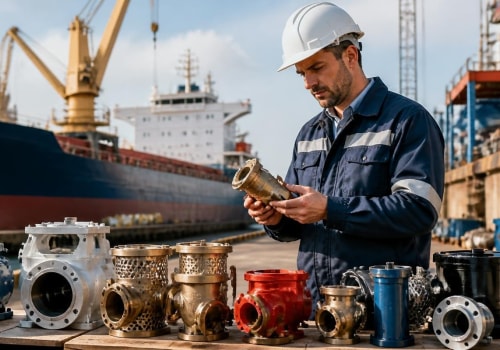
The world of marine equipment supply encompasses a vast array of products designed to enhance the functionality, safety, and efficiency of marine vessels. From recreational boats to commercial ships, the right equipment is essential for ensuring optimal performance on the water. Understanding the different types of marine equipment available is crucial for boat owners and operators alike, as it allows them to make informed decisions that align with their specific needs. Marine equipment can be broadly categorized into several types, including navigation systems, safety gear, propulsion systems, and maintenance tools. Navigation systems, such as GPS and radar, are vital for safe travel across waterways, while safety gear like life jackets and flares ensures compliance with maritime regulations.
Propulsion systems, including engines and propellers, are fundamental for movement, and maintenance tools help keep vessels in top condition. Each category plays a significant role in the overall functionality of a marine vessel. As the demand for high-quality marine equipment continues to grow, many suppliers are not only focusing on providing these essential products but also offering installation services. This added value can significantly ease the burden on boat owners who may lack the technical expertise or time to install complex systems themselves. By understanding the landscape of marine equipment supply and the services that accompany it, customers can better navigate their options and ensure they are well-equipped for their maritime adventures.
The Role of Suppliers in Marine Equipment Installation
When it comes to marine equipment supply, the role of suppliers extends far beyond merely providing products.Many suppliers recognize that their responsibilities include offering comprehensive installation services to ensure that customers can effectively utilize the equipment they purchase. This support is crucial, as proper installation can significantly impact the performance and longevity of marine equipment.
Suppliers' installation services
often encompass a range of activities, including:- Site Assessment: Before installation, suppliers may conduct a thorough site assessment to determine the best approach for installing the equipment. This ensures that all environmental and logistical factors are considered.
- Professional Installation: Many suppliers employ trained technicians who specialize in marine equipment installation. These professionals have the expertise to handle complex installations safely and efficiently.
- Training and Support: After installation, suppliers often provide training sessions for customers and their crews.
This training helps users understand how to operate and maintain the equipment properly.
- Ongoing Maintenance: Some suppliers offer ongoing maintenance services as part of their installation package, ensuring that the equipment remains in optimal condition over time.
Types of Installation Services Offered by Suppliers
When it comes to marine equipment supply, many suppliers recognize the importance of providing comprehensive installation services to ensure their products are utilized effectively. Here are some common types of installation services offered by these suppliers:- On-Site Installation: This is one of the most sought-after services, where trained technicians visit the customer's location to install the marine equipment directly.
This hands-on approach allows for immediate troubleshooting and adjustments, ensuring that the equipment is set up correctly and efficiently.
- Remote Assistance: With advancements in technology, many suppliers now offer remote installation support. This service typically involves video calls or screen sharing, allowing technicians to guide customers through the installation process from a distance. This option is particularly beneficial for clients who may have some technical knowledge but require expert guidance.
- Training Services: Beyond just installation, suppliers often provide training sessions for their clients. These sessions can cover how to operate the equipment safely and effectively, as well as maintenance tips to prolong the lifespan of the marine equipment.
Training can be conducted on-site or through virtual platforms.
- Consultation Services: Some suppliers offer pre-installation consultations to help clients choose the right equipment for their specific needs. This service can include site assessments and recommendations tailored to the unique conditions of the marine environment.
Factors Influencing Installation Service Availability
When considering whether suppliers offer installation services for their marine equipment products, several key factors come into play. Understanding these factors can help customers make informed decisions and ensure they receive the necessary support for their purchases.- Geographic Location: The availability of installation services often varies by region.
Suppliers located near coastal areas or major waterways are more likely to provide installation services due to a higher concentration of marine activities. In contrast, suppliers situated inland may not offer such services, as the demand is lower.
- Product Type: The complexity and nature of the marine equipment being supplied can also influence whether installation services are available. For instance, larger and more complex systems, such as navigation equipment or propulsion systems, typically require professional installation. Conversely, smaller items like safety gear or basic accessories may not include installation services.
- Supplier Policies: Each supplier has its own policies regarding installation services.
Some may offer comprehensive packages that include installation as part of the purchase, while others may charge separately for this service. It’s essential for customers to review these policies before making a purchase to understand what is included.
- Market Demand: In regions where there is a high demand for marine equipment and associated services, suppliers are more likely to offer installation. This demand can be driven by local boating communities, tourism, or commercial fishing industries.
Benefits of Using Supplier Installation Services
When considering marine equipment supply, one of the most significant advantages of utilizing supplier installation services is the expertise that comes with it.Suppliers often have specialized knowledge about their products, ensuring that installations are performed correctly and efficiently. This expertise minimizes the risk of errors that could lead to costly repairs or replacements down the line.Another key benefit is the warranty coverage that typically accompanies professional installations. Many suppliers offer warranties not only on the equipment itself but also on the installation work. This means that if any issues arise due to improper installation, you can rely on the supplier to address them without incurring additional costs.Additionally, opting for supplier installation services can save you valuable time.
Installing marine equipment can be a complex process that requires specific tools and skills. By allowing professionals to handle the installation, you can focus on other important aspects of your marine operations, ensuring that everything runs smoothly and efficiently.
- Expertise: Trained professionals understand the nuances of marine equipment, leading to better performance.
- Warranty Coverage: Protects your investment with assurance against installation-related issues.
- Time Savings: Frees up your schedule for other critical tasks while ensuring proper setup.
Common Questions About Marine Equipment Installation Services
When considering marine equipment supply, many customers have questions about the installation services offered by suppliers. Here are some common queries and concerns:- Do all suppliers offer installation services? Not all marine equipment suppliers provide installation services.
It's essential to check with the supplier beforehand to see if they offer this option, as some may only sell products without installation support.
- What types of installation services are typically available? Suppliers may offer a range of installation services, including:
- On-site installation by trained professionals
- Guidance for DIY installations
- Consultation services to assess installation needs
- Are there additional costs for installation? Yes, many suppliers charge extra for installation services. The cost can vary based on the complexity of the installation and the type of equipment being installed. Always ask for a detailed quote that includes both product and installation costs.
- What if I encounter issues after installation? Most reputable suppliers will provide a warranty or guarantee on their installation services. If you experience any problems, contact the supplier promptly to discuss potential solutions or repairs.
Always communicate your needs clearly with suppliers to ensure a smooth installation process.
How to Choose a Supplier for Marine Equipment Installation Services
Choosing the right supplier for marine equipment and their installation services is crucial for ensuring the safety and efficiency of your marine operations. Here are some key factors to consider when evaluating potential suppliers:- Experience and Expertise: Look for suppliers with a proven track record in the marine industry. Their experience can significantly impact the quality of both the equipment and the installation services they provide.
- Range of Products: A good supplier should offer a comprehensive selection of marine equipment. This ensures that you can find all necessary components from one source, simplifying the procurement process.
- Installation Services: Assess whether the supplier provides installation services in-house or if they subcontract this work.
In-house services often lead to better quality control and communication.
- Certifications and Compliance: Ensure that the supplier adheres to industry standards and regulations. Certifications can indicate a commitment to quality and safety.
- Customer Support: Evaluate the level of customer service offered. A responsive support team can assist with any issues that arise during installation or after the purchase.
- Reviews and References: Seek out customer testimonials or case studies that highlight previous installations. Positive feedback from other clients can provide insight into the supplier's reliability and service quality.
Conclusion: Making Informed Decisions on Marine Equipment Installation Services
In conclusion, understanding whether suppliers offer installation services for their marine equipment products is crucial for making informed purchasing decisions.As we have explored, the availability of installation services can significantly impact the overall cost, efficiency, and effectiveness of your marine operations.When considering a supplier, it is essential to evaluate the following:
- Service Offerings: Not all suppliers provide installation services. Some may only sell equipment, while others offer comprehensive packages that include installation and maintenance.
- Expertise and Experience: Suppliers with a proven track record in marine equipment supply are more likely to offer reliable installation services. Look for testimonials or case studies that highlight their expertise.
- Cost Implications: Installation services can add to the initial investment. However, they may save you money in the long run by ensuring proper setup and reducing the risk of equipment failure.
- Support and Warranty: Check if the installation service comes with a warranty or support options.
This can provide peace of mind and protect your investment.